hero-bg-pricing

Get your team started in minutes

Sign up with your work email for seamless collaboration.

software architecture
Technical Diagramming

Industry Use Case: Software Architecture in SaaS Platforms

Author
Cloudairy
By Cloudairy Team
December 29, 2025
10 min read

SaaS platforms rely heavily on effectively structured software architectures as such ensure the three main traits of quality software architecture diagram: scaling, reliability and managing multiple tenants efficiently. A pictorial representation will not only make it easier for the teams to visualize the integration of the components to provide uninterrupted service but also to isolate data of different tenants securely. This case study looks into the different SaaS architecture difficulties such as multi-tenancy, the use of cloud infrastructure, and deployment pattern based on agile methodology. The information derived from these difficulties will assist the development teams in making high-performance, flexible SaaS systems that are evergreen and have a competitive edge in the market which is changing rapidly.

Key Components of SaaS Architecture

SaaS architecture comprises several core elements that collectively deliver scalable cloud-based services.

  • Multi-Tenant Architecture:
    The majority of SaaS applications are based on the multi-tenancy model whereby one application instance operates with several customers or tenants. Such a sharing model considerably brings down the costs since resources are pooled together and at the same time, tenant data keeps isolated and secure by means of either software-level or database-level segregation. Properly executed multi-tenancy allows for unrestricted scaling and tenant-focused modifications while observing very strict privacy lines.
  • Service-Oriented Modular Design:
    SaaS platforms are progressively adopting microservices or modular architecture as a means to independently create, release, and scale small units of services. Such a configuration raises the bar for fault tolerance, opens the door to constant delivery, and allows different technologies to be applied according to their intended purposes. Modular architecture not only accelerates the market but also provides an easy maintenance option as SaaS applications expand.
  • Authentication & Authorization:
    Robust identity and access management (IAM) frameworks like OAuth 2.0, SAML, and multi-factor authentication can be considered as the basic building blocks of secure SaaS access. They also make sure to conduct user verification, facilitate single sign-on (SSO), and prevent unauthorized access, thereby satisfying the security requirements of the enterprises and their compliance obligations.
  • Data Management:
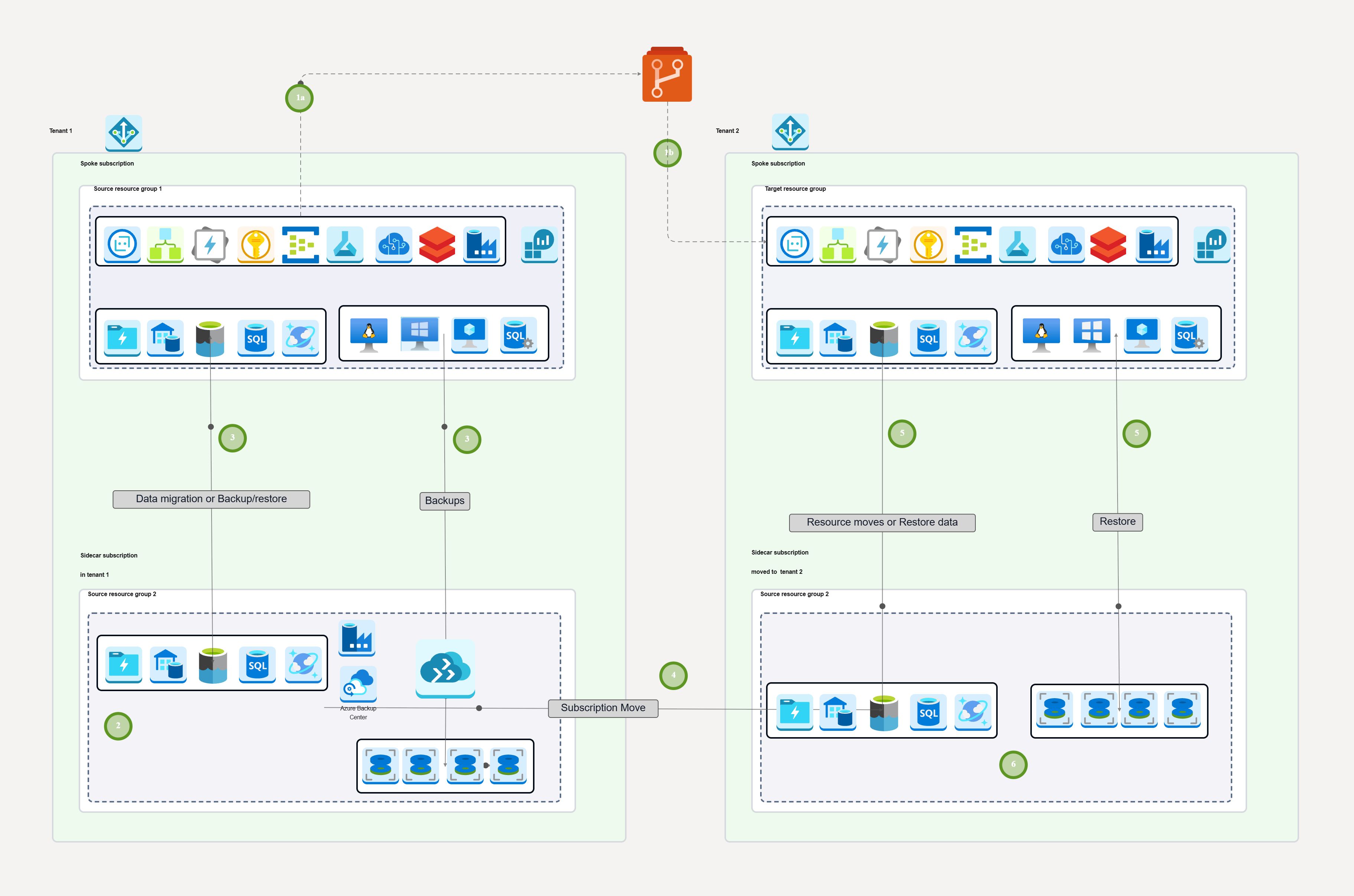
    The isolation of tenant data is the most important thing; SaaS solutions enforce separation strategies for databases, which include databases for each tenant, schema-based partitioning, or the use of row-level security. Through the use of high availability and reliable backup mechanisms, data is made durable and recovery from disasters is possible without sacrificing tenant’s privacy.
  • Cloud Infrastructure & DevOps:
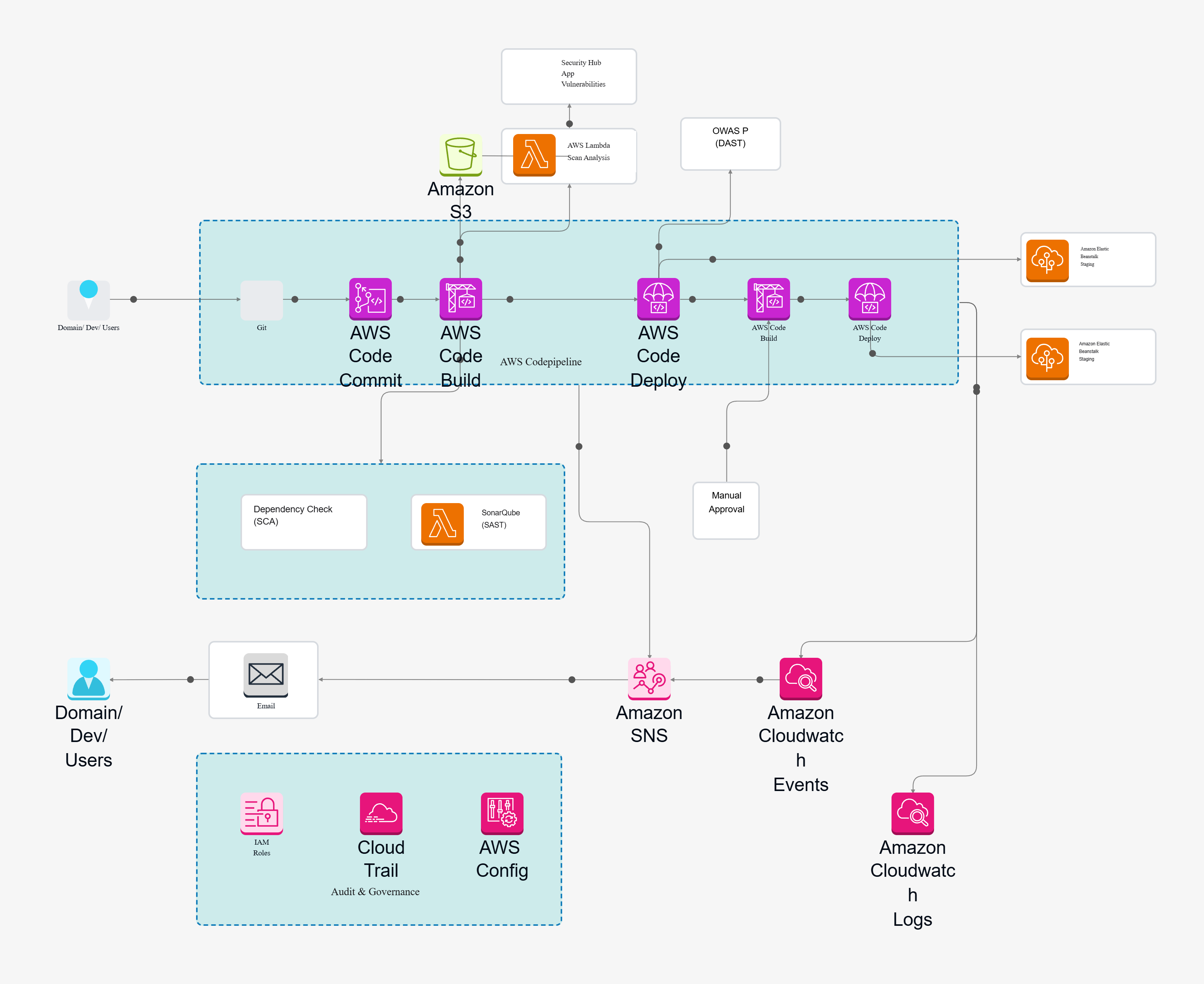
    The flexibility that cloud providers offer allows SaaS to manage varying workloads through the use of auto-scaling and load balancing. Continuous integration and continuous deployment (CI/CD) pipelines take care of testing and releasing automatically, whereas container orchestration platforms (such as Kubernetes) make the effective handling of distributed services and monitoring easier.

Multi-Tenancy Models Explained

Understanding tenancy models is crucial for SaaS architecture design.
  • Single-Tenant:
    Every tenant operates on a separate instance of the application which leads to high levels of personalization and data protection but at the same time it is a great burden on the infrastructure and maintenance costs.
  • Multi-Tenant:
    The usage of one application instance by several tenants is an aspect that enhances resource utilization and decreases costs but at the same time requires strong data isolation and security measures.
  • Hybrid/Mixed-Tenant:
    Merges common infrastructure with places purposely set aside for specific use according to the tenant needs, achieving cost efficiency and customization at the same time.

Typical SaaS Architecture Diagrams

  • High-Level Architecture:
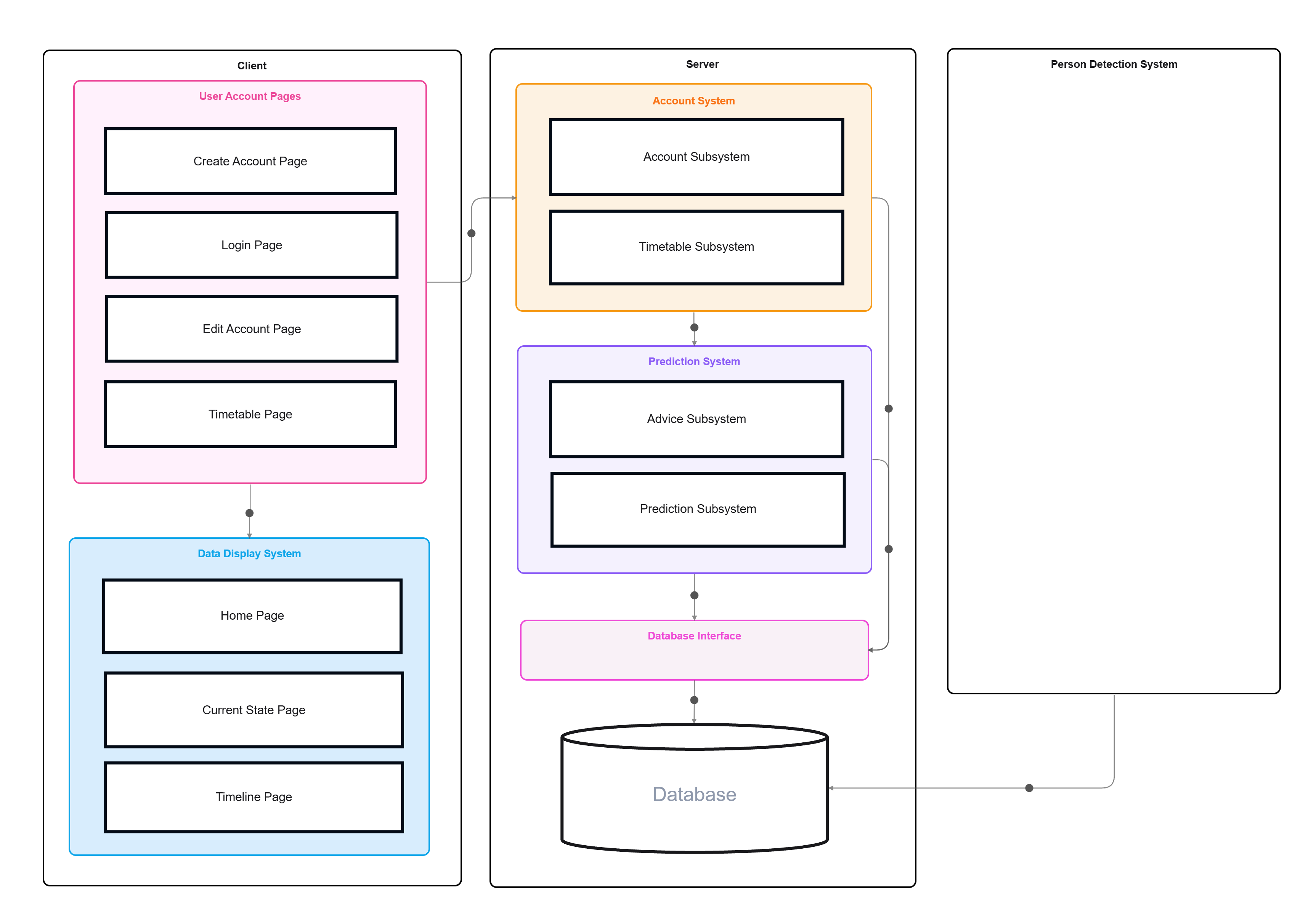
    Visualizes key components: client interfaces, API gateways, backend services, and data storage layers, depicting their interactions and data flows for stakeholder alignment.
  • Component Interaction:
    Breaks down subsystems and microservices, showing request flows, messaging protocols, load distribution, and service dependencies.
  • Scalability & Availability:
    Illustrates use of load balancers, auto-scaling groups, failover strategies, and disaster recovery systems to guarantee uptime and responsiveness.
  • Security & Compliance:
    Depicts identity management, encryption at rest and in transit, network segmentation, auditing, and regulatory compliance controls integrated into the SaaS platform.

Best Practices for SaaS Architecture Design

  • Design systems maintaining tenant-data isolation and security by default for privacy protection and data leak prevention.
  • Promoting modularity, enabling focused scaling and independent deployments, is achieved by prescribing not too fine-grain nor monolithic microservices and API gates.
  • The elasticity of cloud-native features is engineered so that fault tolerance can be maintained, in addition to optimal usage of resources.
  • Automate deployment pipelines, monitoring, and logging to increase speed of deployment and enable rapid fault finding.
  • Build with compliance in mind right from the beginning for conforming to industrial standards and regional regulations.

Real-World SaaS Architecture Use Cases

  • CRM Platforms:
    Deliver configurable features and workflows to diverse clients using flexible multi-tenant models.
  • Collaboration Tools:
    Utilize microservices and event-driven architectures to provide real-time notifications and document sharing.
  • E-Commerce SaaS:
    Combine secure payment processing, inventory management, and global scaling to meet high traffic demands.
  • Analytics Dashboards:
    Process large dataset streams, employing caching and horizontal scaling to provide timely insights to users.

Tools and Templates for SaaS Architecture Diagramming

  • Cloudairy and similar software offer AI-assisted tools for creating tailored software architecture diagrams for SaaS platforms.
  • Access editable, professional templates showcasing tenancy models, component designs, and cloud scalability patterns.
  • Integrate diagrams seamlessly into technical documentation, design reviews, and developer onboarding to boost collaboration.

Conclusion: Leveraging Software Architecture for SaaS Success

The scale, security, and easy management of modern cloud software are based on a strong saas architecture. Properly designed software architecture diagrams serve as a means for teams to see complicated systems, get all stakeholders on the same page, and make design decisions in the best possible way. Companies can very quickly go through all the steps of the product development cycle, making new ideas and still having the edge over others in the market, only if they adopt the industry's best practices and the latest cloud technologies.


FAQs

1.What does a typical software architecture diagram for SaaS look like?

It includes tenant management, backend services, data flows, user interfaces, cloud infrastructure, and security components.

2. How does multi-tenancy influence SaaS design?

It dictates how data is isolated and resources shared, impacting scalability and security policies.

3.What cloud services support SaaS scalability?

Services like auto-scaling, container orchestration, managed databases, and load balancers are essential.

4.How critical is security in SaaS architecture?

Security is fundamental; identity and access management, data encryption, and network segmentation safeguard tenant data.

Which tools simplify SaaS architecture diagram creation?

Tools like Cloudairy provide AI-driven templates and collaboration features tailored for SaaS platforms.

Ready to create smarter with AI?

Start using Cloudairy to design diagrams, documents, and workflows instantly. Harness AI to brainstorm, plan, and build—all in one platform.

Recommended for you
C4 Diagrams for Software Engineering
Technical Diagramming