Technical Diagramming
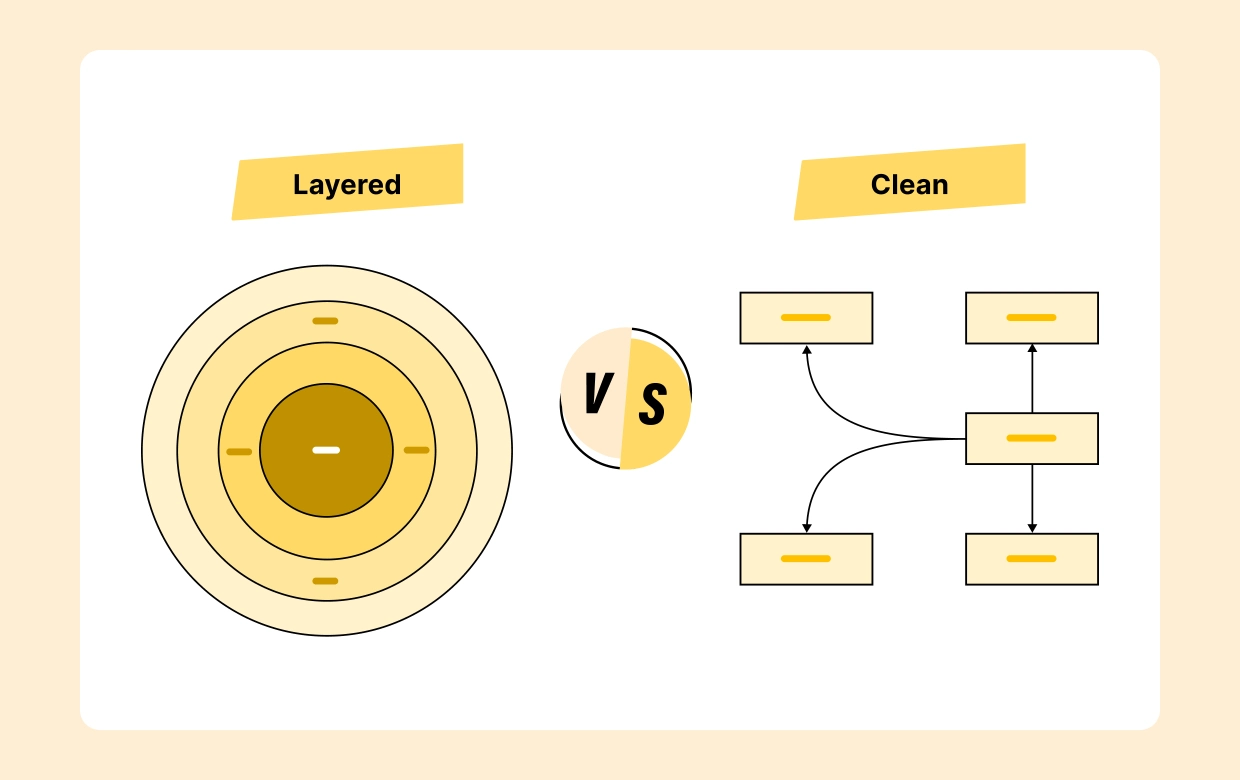
Layered vs Clean Architecture Patterns


Get your team started in minutes
Sign up with your work email for seamless collaboration.
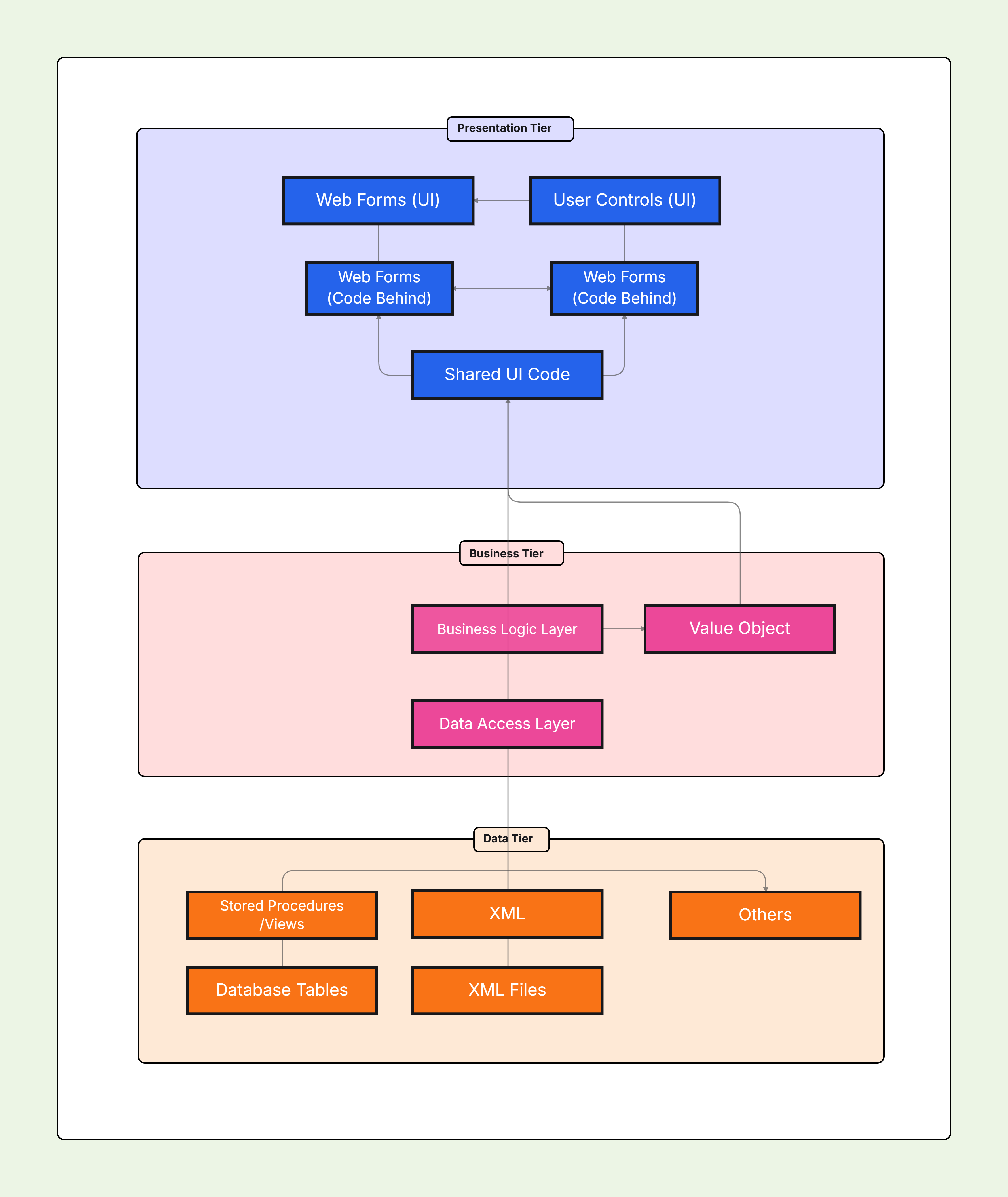
The layered architecture arranges the software in horizontal layers, where each layer has its own responsibilities and there are clear unidirectional dependencies. This makes it a simple and popular method.
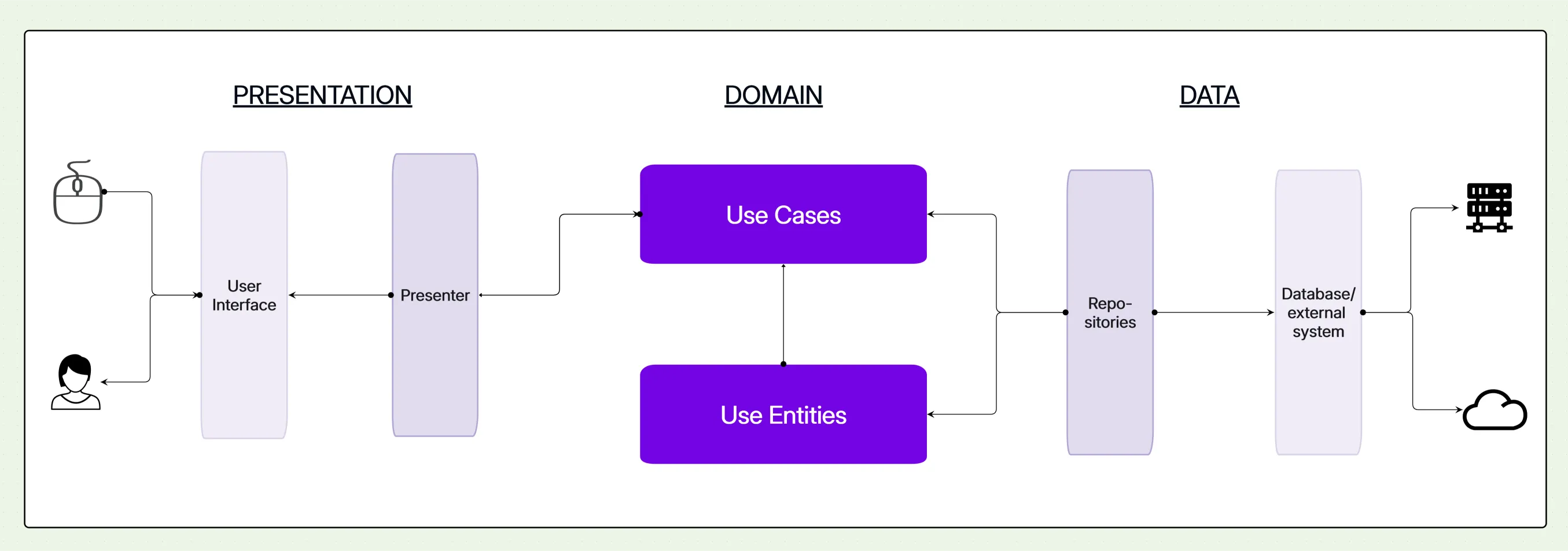
Strengths and Weaknesses of Layered Architecture
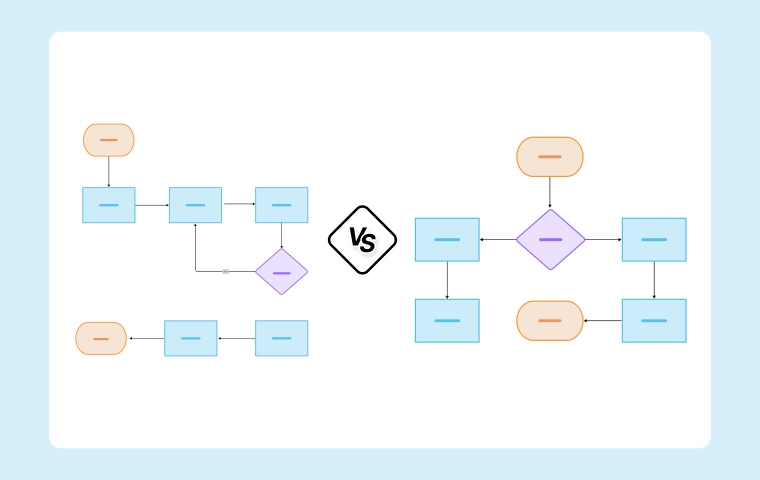
Layered and clean architectures differ fundamentally in their design philosophy and practical application:
|
Aspect |
Layered Architecture Diagram |
Clean Architecture Diagram |
|
Dependency Flow |
Top-down; each layer depends on layer below |
Inward-facing; outer layers depend on inner core |
|
Flexibility |
Limited with respect to tech and architectural changes |
High flexibility and independence of core logic |
|
Maintainability |
Can degrade with increased complexity |
Designed for long-term maintainability |
|
Complexity |
Conceptually simpler |
More complex due to concentric layering |
|
Testing |
Difficult due to potentially coupled layers |
Easier due to strict separation and dependency rules |
Architectural choice depends on project size, duration, and work practices.
Transitioning architectures involves incremental steps and careful planning.
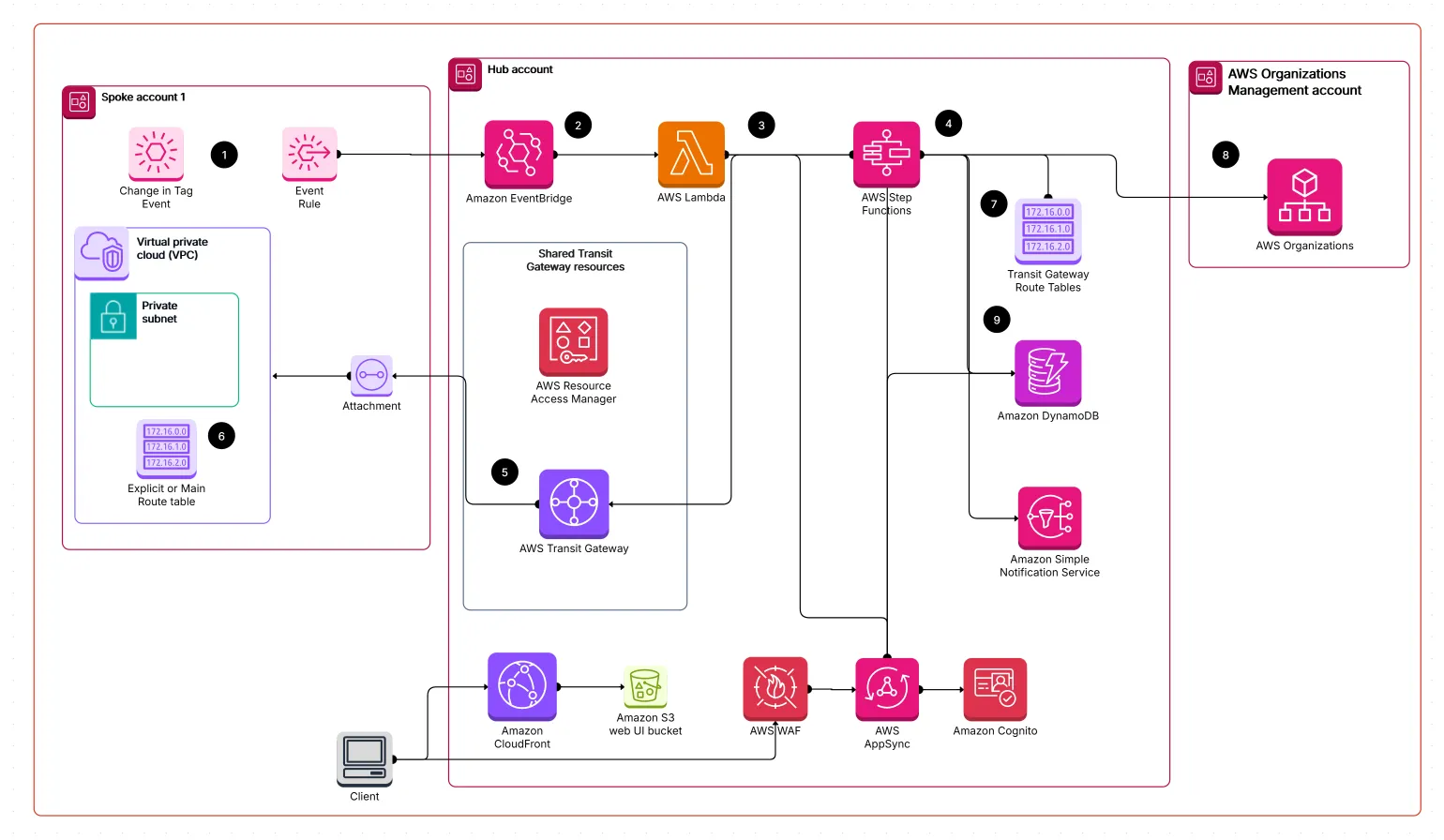
Deciding whether to use layered architecture or clean architecture is a matter of project size, complexity, knowledge of the team, and future maintenance goals. Layered architecture is a good fit for small projects with a shorter deployment time, whereas, clean architecture gives more control over the code and adaptability to the system changing. There are various tools like Cloudairy, prebuilt templates, and best practices that can help to apply the architecture successfully, thus leading to the creation of software that is scalable, testable, and future-proof.
1. What is the main difference between layered and clean architecture?
2. Which architecture is better for small projects?
3. Can I transition from layered to clean architecture?
4. Are clean architecture diagrams harder to create?
5. What tools help in designing layered and clean architecture diagrams?
Start using Cloudairy to design diagrams, documents, and workflows instantly. Harness AI to brainstorm, plan, and build—all in one platform.
Table of Contents

Introduction
 Manage all your work in one placeCollaborate with your teamUse Cloudairy for FREE—forever


 Related Articles