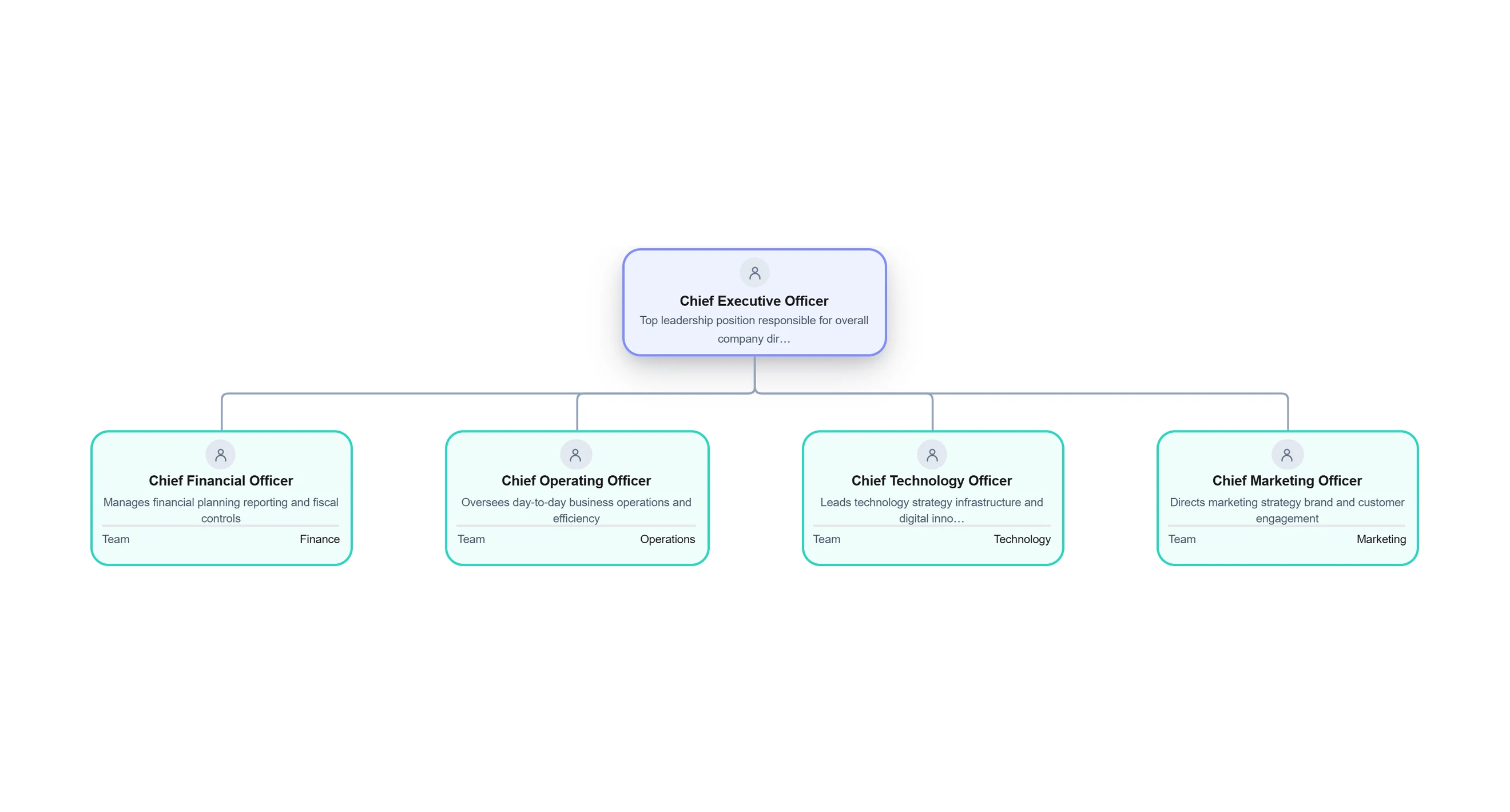
What is an Organizational Chart?


Get your team started in minutes
Sign up with your work email for seamless collaboration.
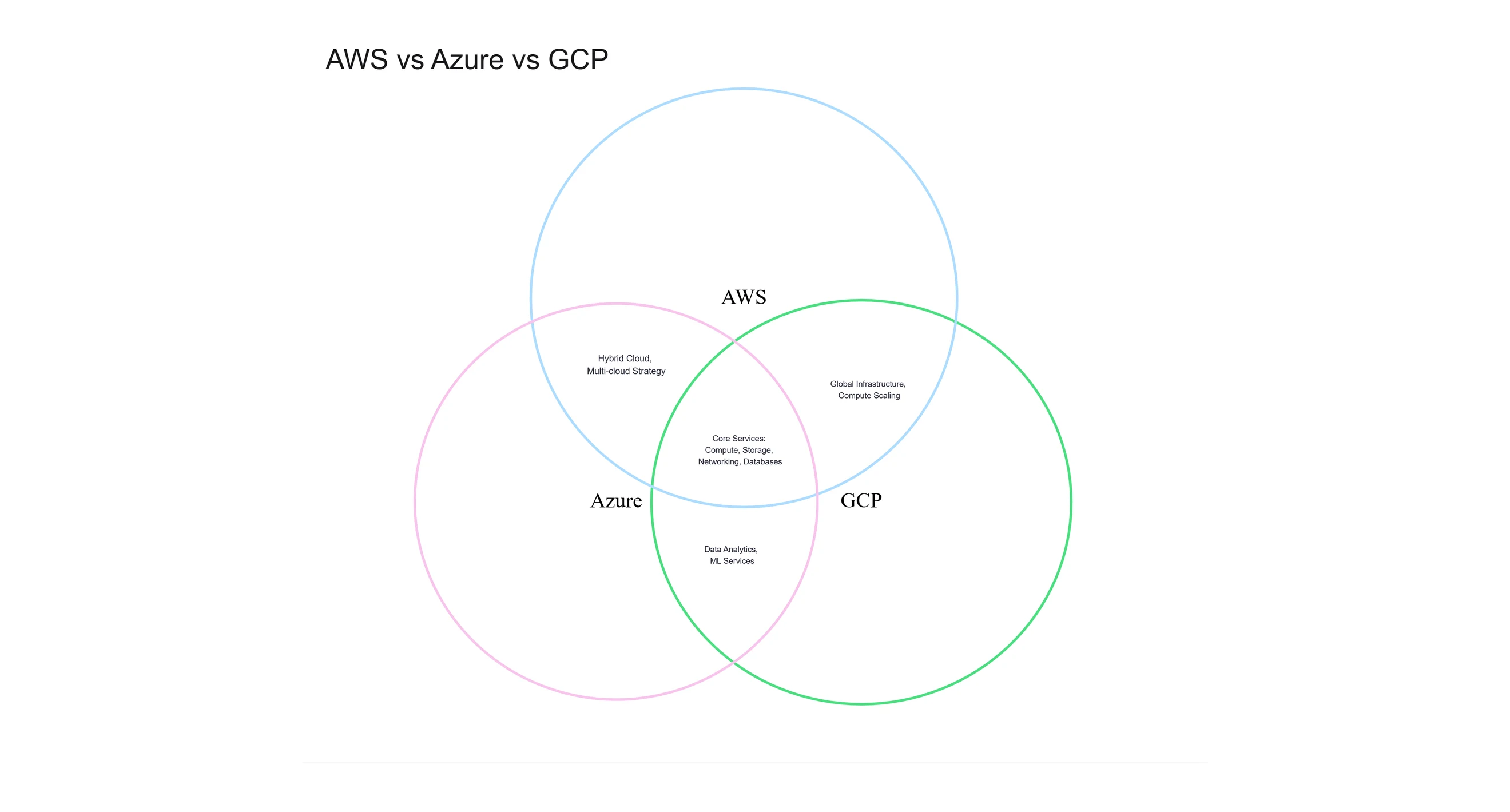
A Venn diagram is a visual tool used to show the communication between two or more groups of items, known as sets. It typically uses extending circles to represent how different sets are connected. Each circle stands for a set, the extending areas show elements shared by multiple sets, and the non-extending parts show elements exclusive to a single set.
Venn diagrams are generally used to compare and contrast ideas, objects, or data in a fair and simple way. Instead of reading long explanations or scanning tables, people can immediately understand similarities and differences just by looking at the diagram. This makes Venn diagrams exclusively helpful for ocular learners.
Because of their simplicity, Venn diagrams are commonly used in education, mathematics, logic, business, and data analysis. They work well for both learners and experts because the equal basic structure can be used for simple analogy or advanced analysis.
Whether explaining essential concepts to children or analyzing complicated information in professional settings, a Venn diagram makes relations easier to visualize, understand, and explain.
A Venn diagram is a type of visual chart made using overlying circles. Each circle represents a group, idea, or set of data. The overlapping parts of the circles show what is frequent between those groups.
Because of this complex, Venn diagrams are very useful for comparison and basic probability understanding. They advise you to clearly see how ideas are related, different, or connected.
When you place your ideas into a Venn diagram, patterns and relationships turn into simple to notice. This helps you figure out information and make clear decisions. Venn diagrams are generally used in education, business, and data analysis because they are simple and visual.
A Venn diagram can be shown in unsimilar formats depending on how many groups you want to compare. Below are the most common types of Venn diagrams you can create in Cloudairy.
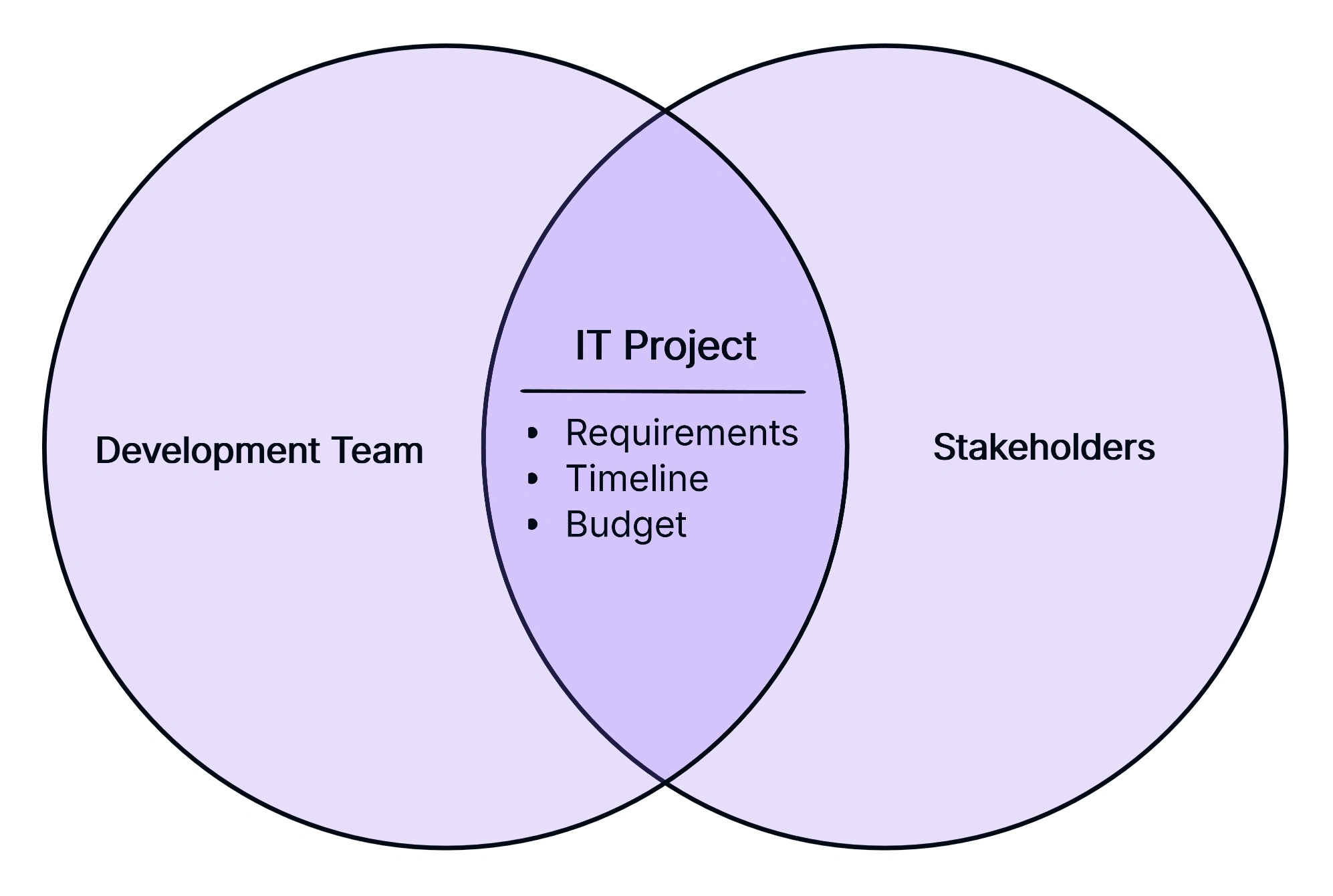
A 2-circle Venn diagram uses two extending circles.
It is best for simple comparisons.
Common uses:
Cloudairy generates ready-made 2-circle Venn diagram templates that you can modify easily.
A 3-circle Venn diagram uses three circles that overlay in the center.
This is one of the most commonly used Venn diagram types.
It is useful when comparing:
The center overlap shows what all three groups have in common. Cloudairy offers editable 3-circle Venn diagram templates for fast use.
.webp)
A 4-circle Venn diagram uses four circles, generally arranged in a diamond shape. All circles overlap in the center.
This type is used for:
With Cloudairy, you can easily create and edit a 4-circle Venn diagram without confusion.
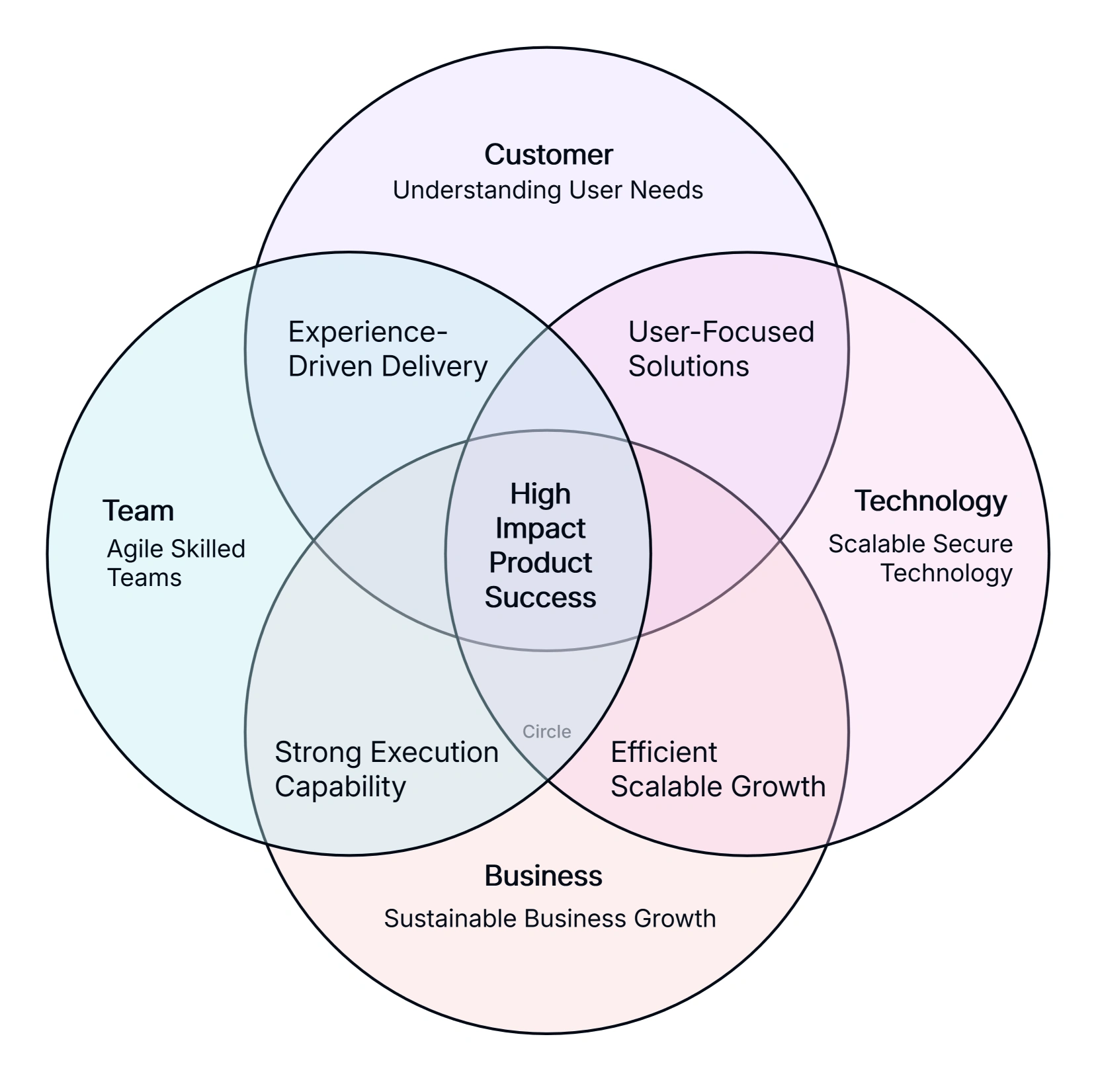
A 5-circle Venn diagram is used when you want to compare many groups at the same time. All five circles overlap at the center.
This type is best for:
Cloudairy provides fully modifiable 5-circle Venn diagram templates, making it easier to manage complicated comparisons.
.webp)
The Edwards–Venn diagram is a special type of Venn diagram developed by British biologist Anthony Edwards in the mid-1800s.
Unlike regular Venn diagrams that use 2–4 circles, the Edwards–Venn diagram is inspired by the shape of a tennis ball. This design allows comparison of many groups at one time.
This type of diagram is useful when:
While traditional Venn diagrams work great for small comparisons, the Edwards–Venn diagram helps with higher analysis. Cloudairy supports flexible blueprints that allow you to make advanced diagram structures like this.
To use a Venn diagram correctly, it is helpful to understand some common words and symbols. These symbols are regularly used in math, logic, and data analysis. Below are the most important ones, explained in simple language.
A set is a group or collection of items. These items can be numbers, objects, people, or ideas.
In a Venn diagram, each set is shown using a closed shape, usually a circle.
The union shows all elements that are in one pair, the other set, or both pairs.
It is displayed using the symbol ∪. For example, A ∪ B add everything that is in set A, set B, or in both.
The intersection shows the elements that are common to all sets. It is the overlying area in a Venn diagram and is shown using the symbol ∩. For example, A ∩ B includes only the items that appear in both set A and set B.
The universal set includes all items that are being considered in the Venn diagram. It is usually shown as a rectangle around all the circles and is written as U (or sometimes ξ).
An empty set is a set that has no elements. It is shown using the symbol Ø. This means there are no items that belong to that set.
The complement of a set combines all items that are not in that set, but are part of the universal set. The complement of set A is written as A′ (or sometimes Aᶜ). It contains everything in the universal set except the elements of A.
We've seen before how Venn diagrams prove useful in many fields and everyday tasks. One super valuable area where they're used a ton is set theory, which is a key branch of mathematics focused on collections.
Set theory studies groups of objects closely, looking at what they share in common and exactly how they stand apart or differ. Venn diagrams fit hand-in-glove with set theory because both zero in on comparing different objects, numbers, or ideas right at that moment. That's precisely why you see 2-circle, 3-circle, and even 4-circle Venn diagrams commonly used when working with sets differently.
A set is simply a collection of distinct objects grouped together. Each individual object inside the set is called an element, like stars in a sky bunch. For example, imagine a classic 2-circle Venn diagram: one circle filled red, the other bold blue. These two circles represent two separate sets of items. The special area where the red and blue circles overlap is known as the intersection that shared zone shows exactly what both sets have in common. In this case, red mixed with blue creates that fun purple shade in the middle.
This whole idea stretches to so many real things around us. You can compare colors like these, crunch numbers, sort animals such as pets and wild ones, rank sports teams, or link any objects that share traits. Together, set theory and Venn diagrams help pin down these relationships with crystal-clear visuals, making tough concepts feel certain and simple.
Another importance of Venn diagrams is in probability. Probability is a part of mathematics that helps anticipate how likely something is to happen.
Venn diagrams are very useful for probability because they show all possible outcomes certainly. Instead of ideas or concepts, numbers are arranged inside the circles.
Let’s look at a simple example using a deck of playing cards.
A standard deck (without jokers) has 52 cards. There are four suits, and each suit has 13 cards. Suppose you want to find the probability of picking a Queen or a Heart.
In a Venn diagram, one circle represents Queens and the other represents Hearts. The overlying part shows the Queen of Hearts. This overlap is important because it prevents counting that card twice.
To calculate correctly:
So the total is 16.
The probability of picking a Queen or a Heart is 16 out of 52.
Using a Venn diagram makes this clear to understand and avoids mistakes. This exact method can be used to calculate probabilities in many real-life situations, such as predicting project success, estimating customers, or measuring results in marketing. That is why probability and Venn diagrams are very important tools in both education and business.
One of the biggest courage of a Venn diagram is its clarity. Humans commonly figure out visual patterns faster than text or numbers. By using circles and overlaps, a Venn diagram certainly shows how groups relate without requiring technical knowledge.
Venn diagrams also reduce confusion. When information is written in paragraphs, it can be hard to keep track of what belongs where. A diagram organizes everything in one place, making comparisons more accurate and easier to remember.
Venn diagrams are a hit in schools to teach basic math concepts such as sets, unions, and intersections in a fun way. They really help students grasp how different groups of numbers or everyday objects connect and relate to each other. For example, students can easily see and point out which numbers are even, which ones are odd, or those special prime numbers right on the diagram.
In higher-level math classes, Venn diagrams step up to solve those really complicated problems that stump folks. Set theory, the full branch of mathematics that dives deep into groups and all their tricky relationships, counts on Venn diagrams as a major star player every time.
In statistics, Venn diagrams help compare different data sets and show how they overlap. They are often used to understand probability and predict how likely certain events are to happen.
For example, statisticians may use a Venn diagram to show how many people fall into multiple categories, such as age groups, interests, or behaviors. This makes them useful in data analysis, research studies, and forecasting.
Venn diagrams serve as a tool for checking the logical correctness of arguments. By categorizing concepts into sets, one can easily understand whether the conclusion is valid based on the premises.
As an illustration, the case presented in the Venn diagram demonstrates that if a pet is a dog, then the pet must be an animal, visually confirming the animal status of the pet. The use of visual representations in logic makes reasoning more comprehensible and communicable.
Linguists comparing languages and finding their similarities and differences make use of Venn diagrams. This could be alongside grammar rules, vocabulary, sentences, or whole families of languages.
The visual representation of overlaps gives a clearer picture to linguists of the relations between languages and their differences.
Teachers use Venn diagrams to help students compare characters, ideas, events, or themes in what they read. This improves understanding and helps students think more deeply about the material.
For example, students can compare two characters in a story or two articles on the same topic. This encourages critical thinking and clearer writing.
Venn diagrams are used by programmers to get a clear visual representation of the relationships between programming languages, systems, databases, and categories. They can use them for various purposes such as feature comparisons, clarity of system overlaps, and software architecture decisions.
Apart from that, Venn diagrams promote logic reasoning, which is a crucial skill for coding and system design activities.
In the business field, Venn diagrams serve as a tool for drawing comparisons between products, services, processes, or ideas. They make it easier for the teams to visualize the similarities, the differences, and the unique advantages in a clear way.
Companies frequently rely on Venn diagrams during meetings, strategy formulation, marketing evaluation and decision making since they are able to convey complicated notions in a quick and clear manner.
Venn diagrams pop up beyond schools and work—they're in fun pop culture too. This shows how everyone knows and loves them.
In the CBS show NUMB3RS (2005-2010), math whiz Charles Eppes grabs a Venn diagram to crack crimes. He spots suspects who fit a description and have violence in their past.
It proves Venn diagrams aid smart logic and fixes in tough spots.
Venn diagrams bring laughs too. NBC’s Late Night with Seth Meyers has a fun bit called “Venn Diagrams.” They link odd topics with funny overlaps.
This shows they're handy, known, and a blast for crowds.
Venn diagrams have also been used for humor. On NBC’s Late Night with Seth Meyers, there is a recurring comedy segment called “Venn Diagrams.” In this routine, two unrelated topics are compared using a Venn diagram to find a funny or unexpected connection between them.
This proves that Venn diagrams are not only practical but also familiar and entertaining to a wide audience.
Steps to Draw and Use a Basic Venn Diagram
Start right by picking what to compare and why it matters. A clear goal helps you pick 2 or 3 sets, stays on track, and makes your Venn diagram super useful for quick insights.
Next, think of the groups or categories to match. Write down key items for each one like fruits in one set, colors in another. Do it on paper to brainstorm or jump straight to Cloudairy text boxes for speed.
Open Cloudairy and snag a ready Venn template. Add two, three, or extra sets to fit your plan. Drop shared items like red apples in overlap zones, and unique ones like only blue berries in outer parts.
Eyeball the full diagram to spot similarities and differences fast. This clear visual often reveals hidden patterns, sharpens decisions, strengthens your points, or unlocks cool new ideas you missed before.
Keep it fresh by updating with new facts anytime. Cloudairy makes edits a breeze, lets teams collaborate live, and shares your Venn diagram link or export with anyone in seconds.
Venn diagrams come from John Venn, a British logic whiz. He spelled them out in his 1880 paper called “On the Diagrammatic and Mechanical Representation of Propositions and Reasonings.” His ideas showed how pics make logic pop visually.
But the roots go way back. In the 1200s, thinker Ramon Llull drew diagram-like sketches for logic lessons. Then, in the late 1600s, Gottfried Wilhelm von Leibniz made similar ones too.
In the 1700s, Swiss math star Leonhard Euler cooked up Euler diagrams for Venn's direct grandpa. John Venn first named his “Eulerian circles.” The name Venn diagram hit public ears in 1918, thanks to thinker C. I. Lewis.
Today's math pros tweaked them more, chasing symmetry and tricky set ties. They birthed cool multi-set ones like famous Victoria.
The main purpose of a Venn diagram is to visually organize all kinds of information in a way that makes relationships between different sets super easy to spot right away. Those handy overlaps reveal what's shared between groups, while the separate outer areas clearly highlight all the unique differences and exclusives.
Venn diagrams help people:
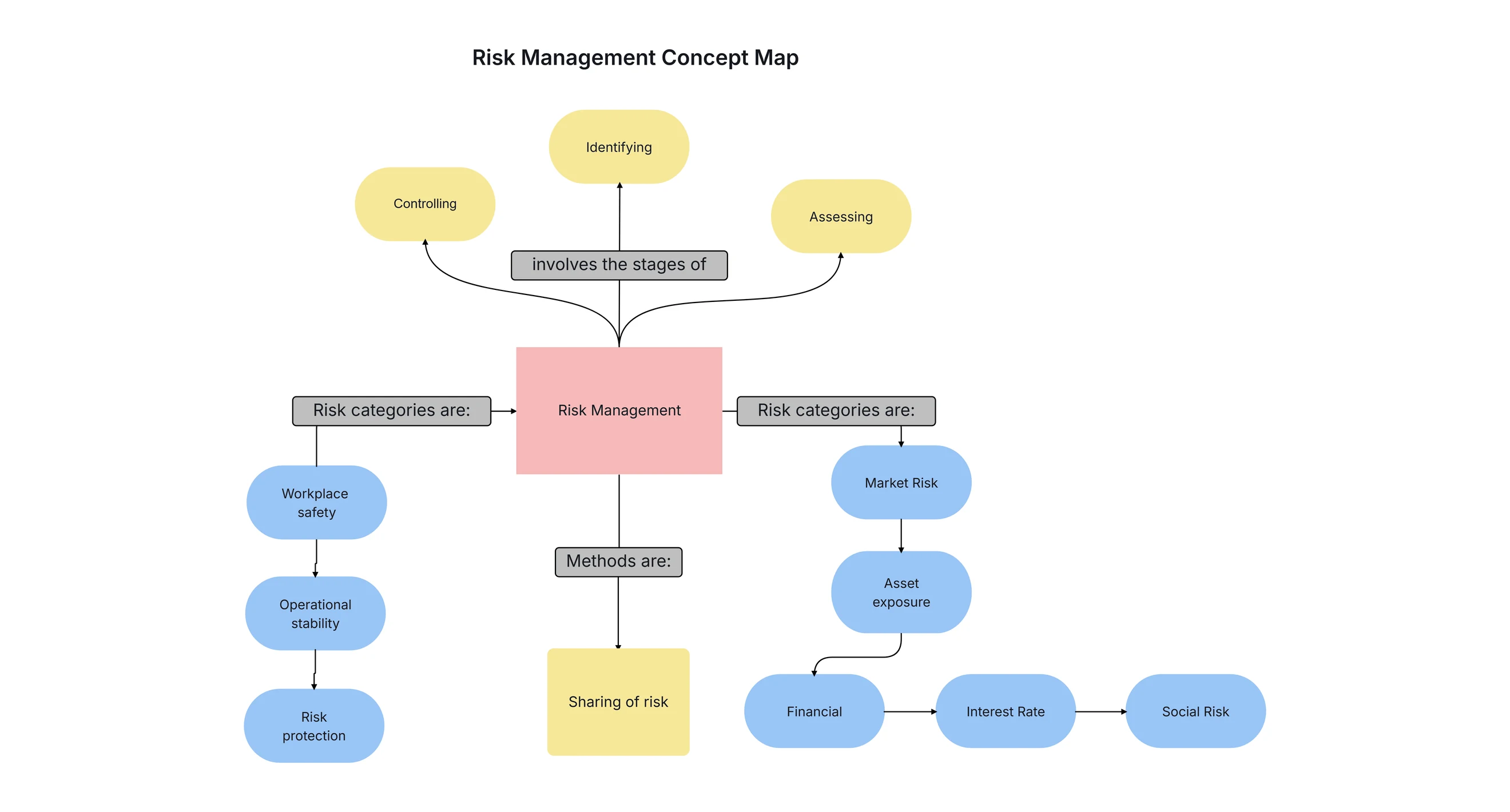
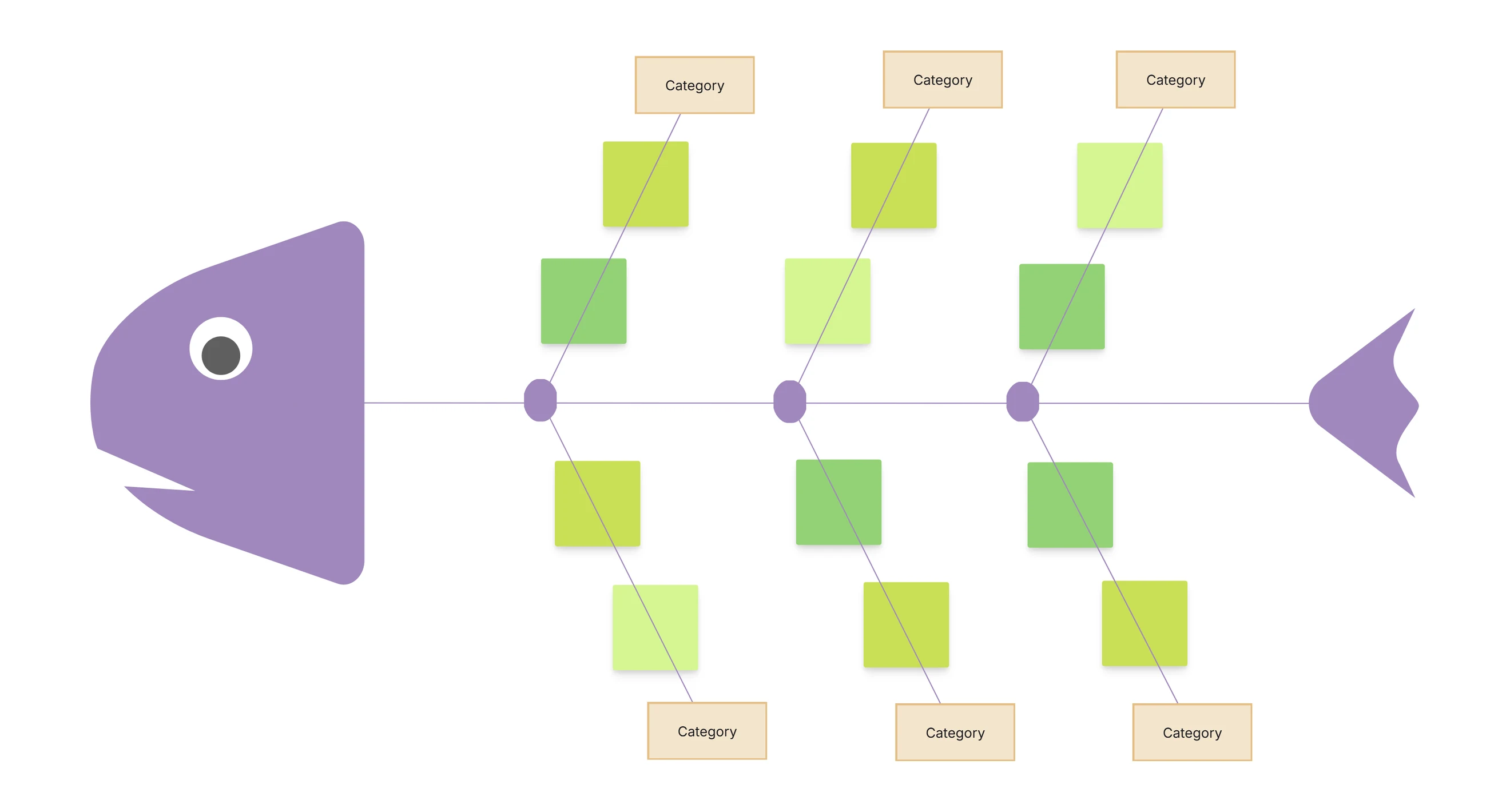
Just like an org chart clarifies reporting structure, a concept map organizes knowledge visually, and an Ishikawa diagram helps teams solve problems effectively.
They are useful for both simple comparisons and advanced analysis.
Example Venn Diagram
Imagine our universe is pets, and we want to choose a pet that everyone in the family agrees on.
When placed into a Venn diagram, the only pet appearing in all three sets is dog. This visual overlap makes the decision clear.
This is a simple example, but Venn diagrams can become much more detailed and are widely used in education, business, science, and data analysis to support better decision-making.
Start using Cloudairy to design diagrams, documents, and workflows instantly. Harness AI to brainstorm, plan, and build—all in one platform.
Table of Contents

Introduction
 Manage all your work in one placeCollaborate with your teamUse Cloudairy for FREE—forever