hero-bg-pricing

Get your team started in minutes

Sign up with your work email for seamless collaboration.

iam best practices
Technical Diagramming

IAM Best Practices for Secure Cloud Computing

Author
Cloudairy
By Cloudairy Team
December 29, 2025
10 min read

What Is IAM in Cloud Computing?

Identity and Access Management (IAM) in cloud computing coordinates how users, workloads, and services authenticate and obtain the precise permissions they need—nothing more. Rather than trusting network location, cloud IAM evaluates identity, device posture, and context at access time. Policies, roles, and attributes control who can perform which actions on specific resources. With audit trails and short-lived credentials, IAM creates a verifiable contract between business intent and technical enforcement across multi-cloud and hybrid environments.

Why IAM Matters for Cloud Security

Cloud platforms move fast, sprawl rapidly, and connect to third parties by default. IAM is the guardrail that keeps this power safe, enforcing least privilege, proving who did what, and revoking access quickly when risk changes. Centralizing identities reduces shadow accounts and stale permissions, while federation streamlines access without duplicating credentials. Combined with short-lived tokens, conditional policies, and continuous logging, IAM turns security into a scalable service that supports developer velocity and audit readiness.

Core IAM Principles for Secure Cloud Computing

Effective cloud IAM follows a tight playbook: centralize identity, verify strongly, and grant the smallest viable permission preferably just-in-time and time-bound. Treat privileges as dynamic, adapting to device health, location, and behavior, not as permanent entitlements. Automate joiner-mover-leaver processes so access changes track job changes instantly. Finally, observe everything: stream authentication outcomes and policy decisions into monitoring so reviews, incident response, and compliance are fueled by evidence rather than guesswork.

Centralized Identity and Federation

Unify identities in a primary IdP and extend trust to cloud apps via federation. This eliminates duplicate credentials, simplifies provisioning, and ensures a single place to enforce MFA and risk policies. Use SAML or OIDC for modern apps and SCIM for lifecycle automation. Interlink with Identity Federation & SSO to visualize token flows, claim mapping, and revocation so audits can trace every decision back to a trusted issuer.

Least Privilege and Just-In-Time Access

Design roles to be intentionally narrow, then reduce further with attributes like project, environment, and data classification. Replace long-lived admin rights with just-in-time elevation that expires automatically. Tie elevation to approvals, ticket references, and additional verification. Use Zero Trust Architecture patterns so access is context-aware and revocable mid-session if risk spikes, limiting blast radius while keeping engineers productive.
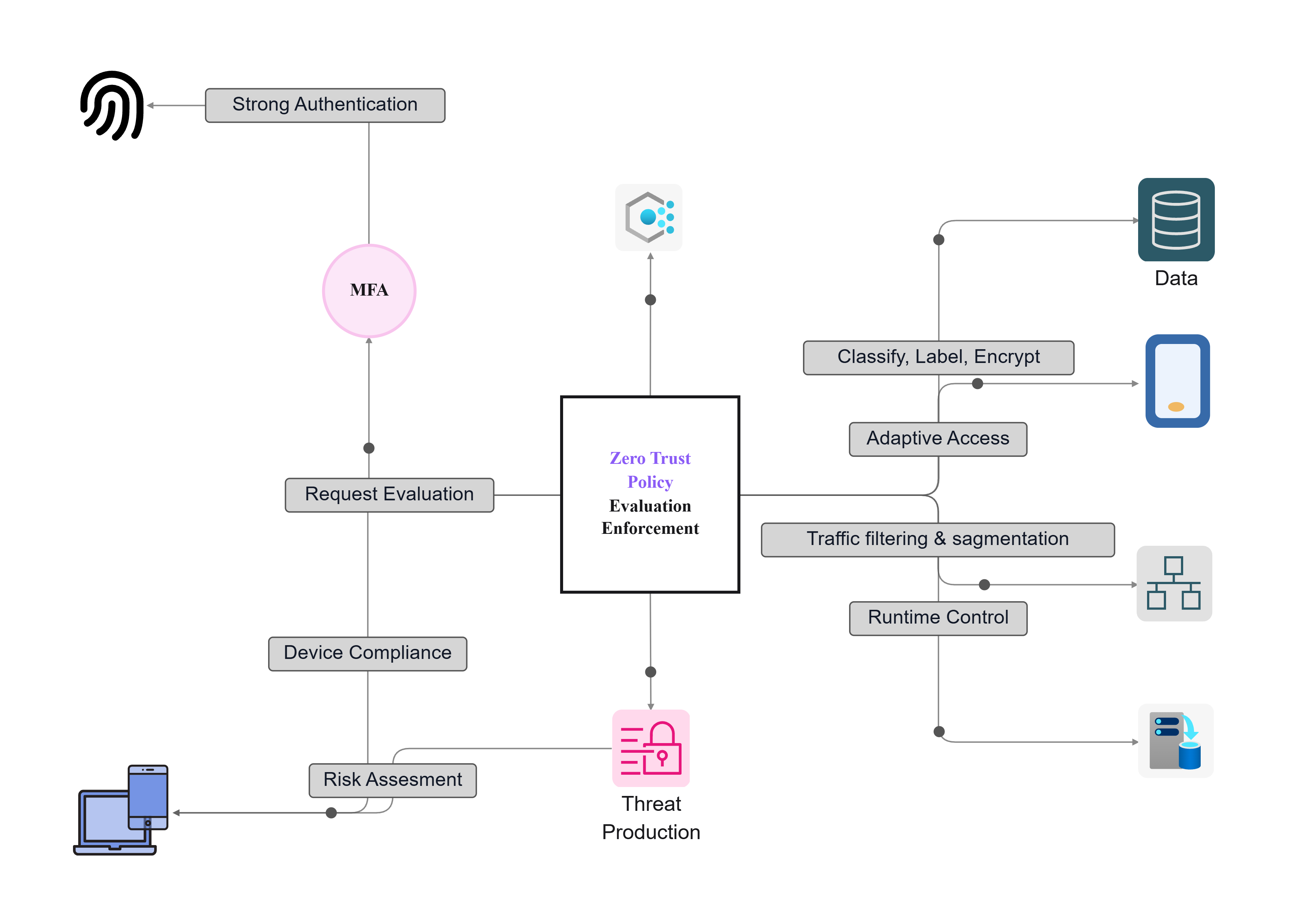
Strong Authentication and Risk Policies

Adopt phishing-resistant MFA for administrators and sensitive workflows, and encourage passwordless methods for wider usability. Apply conditional access that considers device posture, geo-velocity, and session anomalies. Bind tokens to the device and set short lifetimes. Where possible, prefer certificate-based workload identity over shared secrets. Link authenticator choices and token TTLs to assurance levels in the IAM Architecture Diagram to keep decisions visible and defensible.

Continuous Monitoring and Governance

Stream IdP, cloud control plane, and application logs into centralized analytics for correlation and alerting. Schedule access reviews for privileged roles and critical apps, and automate deprovisioning on exit. Track orphaned accounts, unused roles, and failed policy evaluations as hygiene metrics. Pair this with the Security Monitoring Architecture to create evidence trails that speed audits and make policy tuning data-driven rather than anecdotal.

IAM Best Practices

The best IAM programs balance usability, automation, and provable control. Use the following practices to standardize federation, remove standing privilege, and keep permissions tightly scoped without slowing delivery. Each item is action-oriented and evidence-friendly, so you can implement quickly and show measurable risk reduction. Where relevant, we reference companion templates so your architecture, policies, and monitoring remain consistent across teams and clouds.

  1. Consolidate Directories and Standardize Federation
    Reduce identity silos by choosing a primary IdP and brokering external identities where needed. Standardize on OIDC/SAML for apps and SCIM for lifecycle. This simplifies policies, cuts duplicate accounts, and centralizes MFA. Over time, deprecate embedded app logins to shrink your attack surface and improve user experience.
  2. Design Roles for Minimum Viable Access
    Start from tasks and required API actions, not job titles. Create small, composable roles and combine them with ABAC tags (env=prod, data=restricted) for precision. Avoid wildcard permissions; use explicit resource scoping. Review role usage quarterly and remove dead policies so privileges don’t accumulate unnoticed.
  3. Enforce Phishing-Resistant MFA and Conditional Access
    Require hardware-backed authenticators for admins and high-risk actions. Layer conditional checks: device health, IP reputation, geo anomalies, and time-of-day. If risk rises, demand step-up or block. Bind session tokens to device context and keep TTLs short, balancing security with productivity through adaptive prompts.
  4. Replace Standing Privilege with Just-In-Time Elevation
    Implement workflows that grant admin rights only when requested, approved, and logged then auto-expire. Tie elevation to tickets and record command logs for forensic clarity. This shrinks the window of opportunity for misuse while preserving engineering speed during incidents and maintenance windows.
  5. Automate Joiner-Mover-Leaver (JML) with SCIM
    Provision on hire from HR systems, change access automatically on role move, and revoke immediately on exit. Use cataloged access packages and approval policies. Automating JML reduces manual errors, shortens cycle times, and ensures compliance teams see clean, repeatable evidence during audits.
  6. Use Workload Identity; Eliminate Long-Lived Secrets
    Prefer cloud-native identities (e.g., instance profiles, managed identities) and short-lived tokens issued via identity brokers. Rotate keys automatically and forbid embedding credentials in code or images. This approach stops secret sprawl and makes compromise windows small and observable.
  7. Segment Admin Planes and Protect Break-Glass
    Separate admin consoles, enforce network and device constraints, and require strongest MFA. Maintain offline, dual-control break-glass accounts with frequent reconciliation. Monitor every privileged session in near real time. These safeguards reduce blast radius if admin credentials are targeted.
  8. Centralize Logging and Map Evidence to Controls
    Export IdP decisions, access grants, and policy evaluations to SIEM/XDR. Label events with user, device, assurance level, and resource. Dashboards should answer: who accessed what, when, from where, and with which risk score. Evidence mapping accelerates audits and incident investigations.
  9. Continuously Test Policies and Access Paths
    Add unit tests for IAM policies and run them in CI. Use attack simulations to validate that blocked actions remain blocked and allowed paths function. Periodically attempt token replay, scope misuse, and escalation to catch regressions early and keep controls trustworthy.
  10. Document Standards and Publish Reference Patterns
    Provide copy-paste blueprints for federation, service accounts, and elevation. Version them like code and link in the Security Architecture Pillar. Consistent patterns reduce variance, speed onboarding, and keep teams aligned on how IAM should be implemented across stacks.

IAM Architecture & Diagram Components

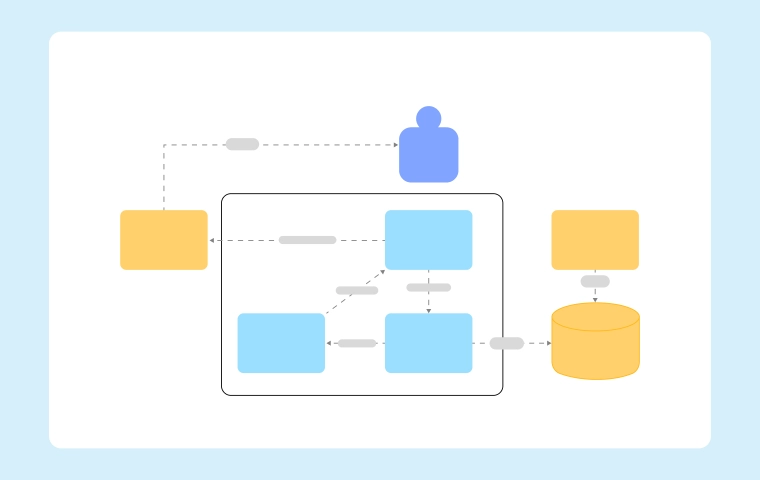
Your diagram is the single source of truth for how identities authenticate, how policies evaluate, and where evidence is captured. Use it to align teams, speed audits, and reduce misconfigurations. The components below mirror real cloud topologies and interlink with templates across this content cluster, ensuring your IAM design scales cleanly from a few apps to thousands without losing control, context, or accountability.
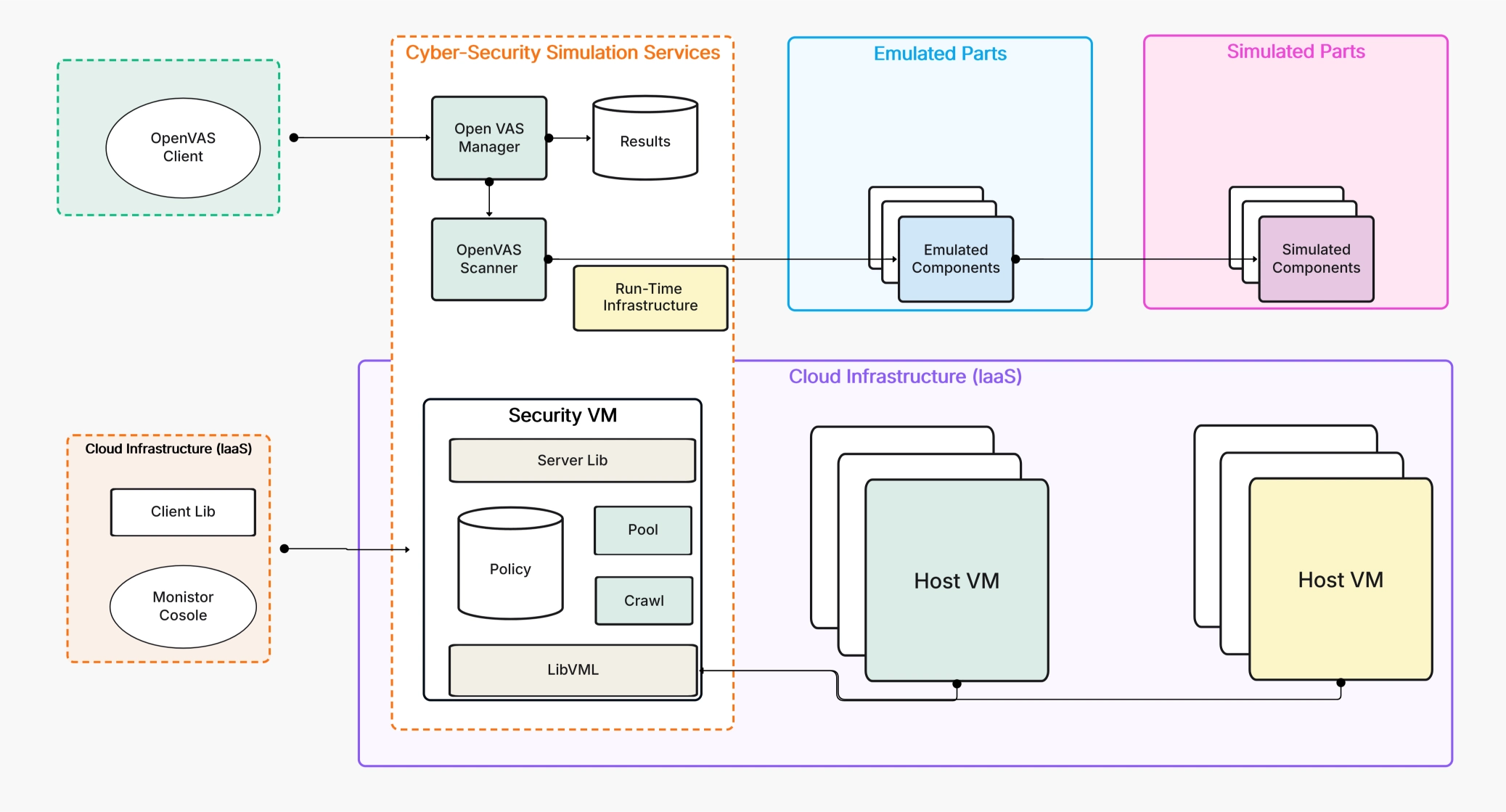
  1. Identity Provider (IdP) & Directory
    The system of record for people and service identities. Hosts MFA, risk policies, and credential lifecycle. Acts as token issuer for apps and clouds. Centralizing here simplifies governance and ensures a single place to inspect and adjust assurance decisions.
  2. Federation & SSO Layer (OIDC/SAML)
    Brokers trust between IdP and Service Providers. Handles metadata, signing keys, and claim mapping. Enables one-tap access across SaaS and custom apps without password sprawl. See Identity Federation & SSO Diagram for token and session lifecycles.
  3. Authorization Engines (RBAC/ABAC/PBAC)
    Decide what the requester can do on which resource under current context. Externalize decisions where possible (e.g., OPA) and keep policies version-controlled. Attribute tags keep roles small while still precise across environments.
  4. Secrets, Keys, and Workload Identity
    Central key management, vaulting, and brokered identities for compute and pipelines. Prefer ephemeral credentials over static keys. Enforce rotation, least privilege, and auditable issuance to close common supply-chain gaps.
  5. Monitoring, Evidence, and Reviews
    Log every grant, denial, elevation, and revocation. Correlate identity events with cloud control plane actions. Automate quarterly access reviews for privileged apps. Connect to Security Monitoring Architecture so detections trigger policy improvements.

Implementation Roadmap

Treat IAM transformation as a series of small, provable wins. Each phase should tighten privileges, raise assurance, and improve visibility without derailing delivery. Use these steps as an iterative loop: implement, measure, and refine. Tie progress to metrics such as reduction in standing privilege, token TTLs, and time-to-revoke. The roadmap below aligns with our templates and the Security Architecture Diagram Tool for fast execution.

  1. Baseline & Consolidate
    Inventory identities, roles, and secrets. Choose a primary IdP, unify MFA, and standardize federation. Remove legacy login paths and document “golden” patterns that new apps must follow before going live.
  2. Shrink Privileges and TTLs
    Refactor oversized roles; enforce scoped, short-lived tokens. Introduce just-in-time elevation for admin tasks. Measure reduction in standing privilege and token lifetime as leading indicators of progress.
  3. Automate Lifecycle & Reviews
    Wire JML to HR systems with SCIM. Automate access packages and timed entitlements. Schedule reviews for critical roles and evidence the outcomes. Aim for zero orphaned accounts and near-real-time deprovisioning.
  4. Harden Admin & Workloads
    Deploy phishing-resistant MFA, device rules, and admin network controls. Migrate service accounts to workload identity. Eliminate embedded secrets and enable automatic rotation across pipelines.
  5. Observe, Test, and Tune
    Centralize IAM logs, build dashboards, and add policy tests to CI. Run attack simulations quarterly. Feed lessons back into roles, scopes, and conditional access so posture improves continuously.

Common Mistakes and How to Avoid Them

Most IAM failures aren’t technical they’re operational. Over-broad roles, standing admin, and secret sprawl quietly accumulate until audits or incidents expose them. Use the following pitfalls as a preventative checklist. Each item pairs a common misstep with a practical fix you can implement immediately, keeping your program measurable, enforceable, and resilient as your cloud footprint and team size grow.

  1. Over-Permissive Roles and Wildcards
    Broad roles feel convenient but create silent risk. Replace with task-focused roles and explicit resource ARNs. Use tags to keep policies small yet specific. Track unused permissions and prune relentlessly.
  2. Standing Admin and Shared Accounts
    Persistent admin rights and shared credentials erase accountability. Move to just-in-time elevation with named identities. Record commands, expire sessions, and require ticket linkage for privileged work.
  3. Secrets in Code or Images
    API keys buried in repos and containers invite breaches. Scan continuously, quarantine exposures, and switch to vault-issued, short-lived credentials. Educate teams and block merges when detections occur.
  4. Unfederated SaaS and Shadow IT
    Direct app logins bypass policies and MFA. Mandate SSO enrollment before purchase, and integrate via OIDC/SAML. Decommission local accounts post-migration to close back doors.
  5. No Evidence Trail for Audits
    If you can’t show who had what, when, and why, compliance will stall. Centralize logs, label with assurance context, and map events to controls. Provide exportable reports tied to owners and remediation.

Conclusion

Strong IAM in cloud computing is less about buying tools and more about designing repeatable, evidence-driven controls. Centralize identity, minimize privilege, and replace static entitlements with short-lived, context-aware access. Automate lifecycle changes, observe everything, and test policies continuously. To accelerate execution, design your model in the Security Architecture Diagram Tool using the IAM Architecture Diagram Template—and interlink with Zero Trust and Security Monitoring for end-to-end assurance.
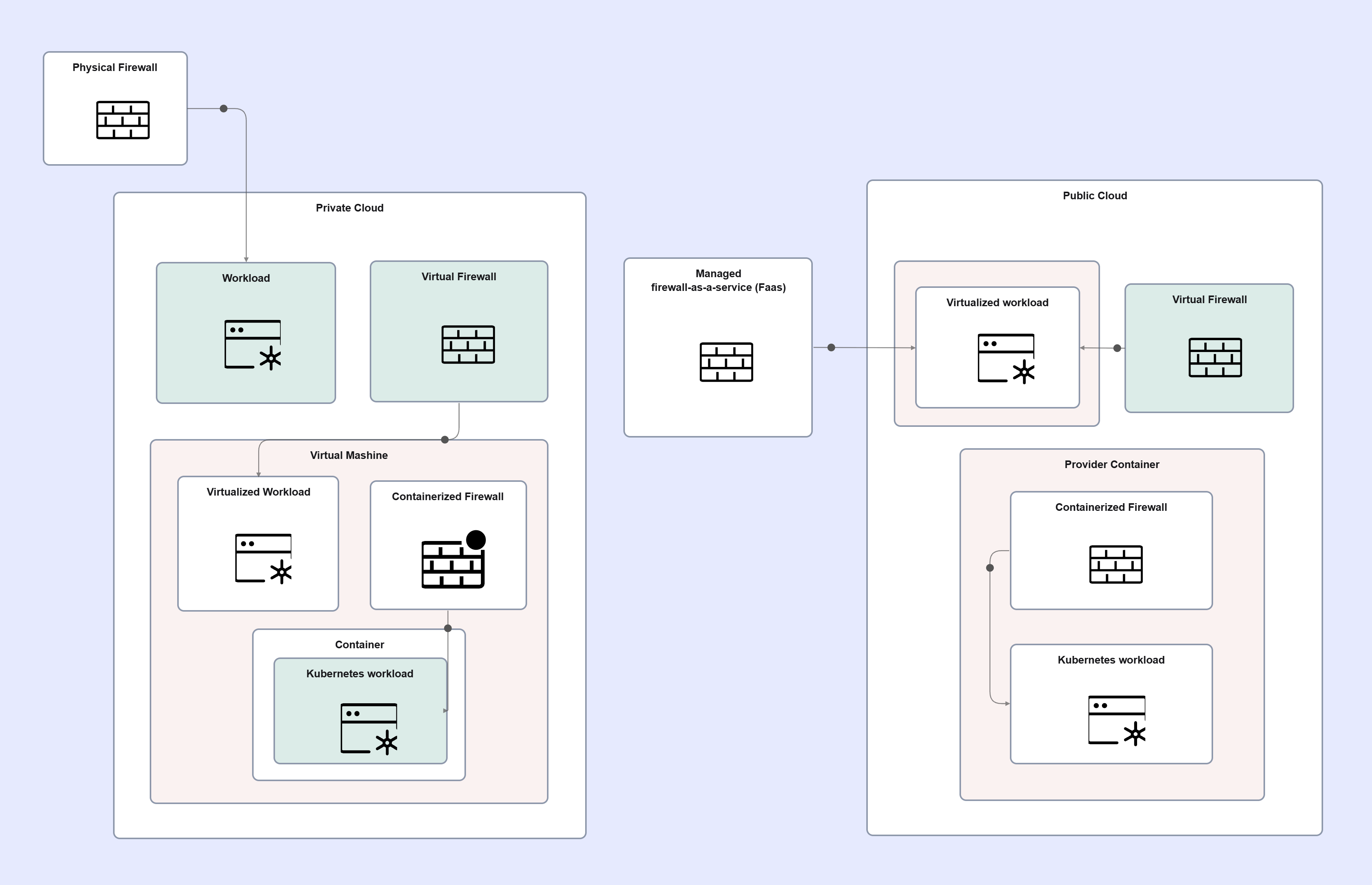
Explore other Cloudairy templates to build consistent and scalable architectures.

FAQs

1.What’s the difference between RBAC and ABAC in cloud IAM?

RBAC assigns permissions to roles; ABAC evaluates attributes (user, resource, environment) at decision time. Many teams combine both—small roles plus tags—to stay precise without creating role explosion.

2.How short should access token lifetimes be?

Prefer minutes for sensitive actions and hours for low-risk sessions, with refresh bound to device posture and risk. Shorter TTLs reduce replay value and make revocation effective.

3.Do I need passwordless for everyone?

Not immediately. Start with admins and high-impact workflows using phishing-resistant methods. Expand to broader populations as devices and IdP support mature.

4.What’s the fastest win if our IAM is messy?

Consolidate identities and enforce MFA at the IdP, then refactor a few oversized roles tied to critical apps. Measurable risk drops quickly and sets the stage for deeper improvements.

5.How do we handle partners and contractors safely?

Federate with their IdP via a broker, limit scopes to project needs, and time-box access. Require device posture for privileged tasks and revoke automatically at contract end.

Ready to create smarter with AI?

Start using Cloudairy to design diagrams, documents, and workflows instantly. Harness AI to brainstorm, plan, and build—all in one platform.

Recommended for you
C4 Diagrams for Software Engineering
Technical Diagramming