hero-bg-pricing

Get your team started in minutes

Sign up with your work email for seamless collaboration.

cloud-native architecture
Technical Diagramming

Kubernetes vs Docker: Cloud-Native Architectures Compared
Author
Cloudairy
By Cloudairy Team
January 10, 2026
10 min read

When organizations kick off their personal cloud journey, a major question usually comes up: should they depend on Docker only for containerization, or expand their overall stack with Kubernetes for orchestration? Both technologies truly stand at the very core of cloud‑native architectures, but honestly their purposes are not the same. Docker gives passionate developers the ability to package and smoothly deliver applications consistently across various working environments, while Kubernetes carefully guarantees containers can scale, self‑recover, and reliably run at wider enterprise production levels. By deeply understanding each unique role, businesses naturally set the stage for efficient, forward‑looking systems that strongly support long‑term future goals.

What Is Docker in Cloud-Native Architecture?

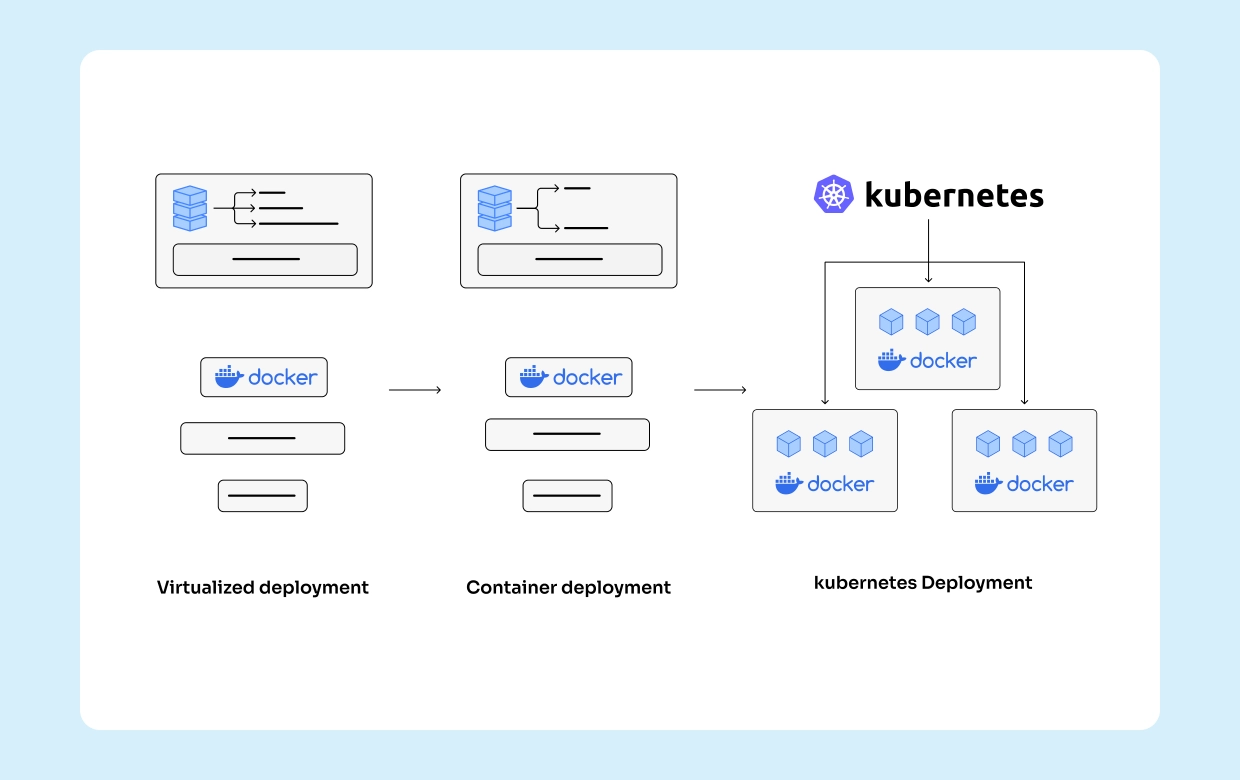
Think of Docker as a game-changer that simplified how modern software is delivered. It introduced lightweight, portable containers that developers genuinely rely on. Instead of messing with manual configurations, you just package the app and its dependencies into a Docker image, which makes deployment anywhere super easy.This has become a cornerstone of modern cloud-native architecture because it finally stops those annoying “it works on my machine” dilemmas we’ve all personally experienced before.

  • Containers – Each one neatly bundles the app and its dependencies, ensuring it runs smoothly in any real-world environment. This speed and reliability honestly make deployments way faster compared to old-school virtual machines we once used.
  • Docker Engine – I personally find this to be a robust runtime that consistently builds, executes, and manages application containers. Beyond that, it manages the networking and storage side, giving developers a reliable sandbox for putting microservices into action.
  • Registries – With Docker Hub or private registries, teams can store, share, and version images properly and efficiently. This helps everyone reuse and distribute images without the usual headache we’ve seen.
  • Cloud integration – Without extra setup, Docker pairs seamlessly with AWS ECS, Azure Container Instances, and GCP Cloud Run, ensuring that cloud deployment feels faster, simpler, and quite painless for team projects.

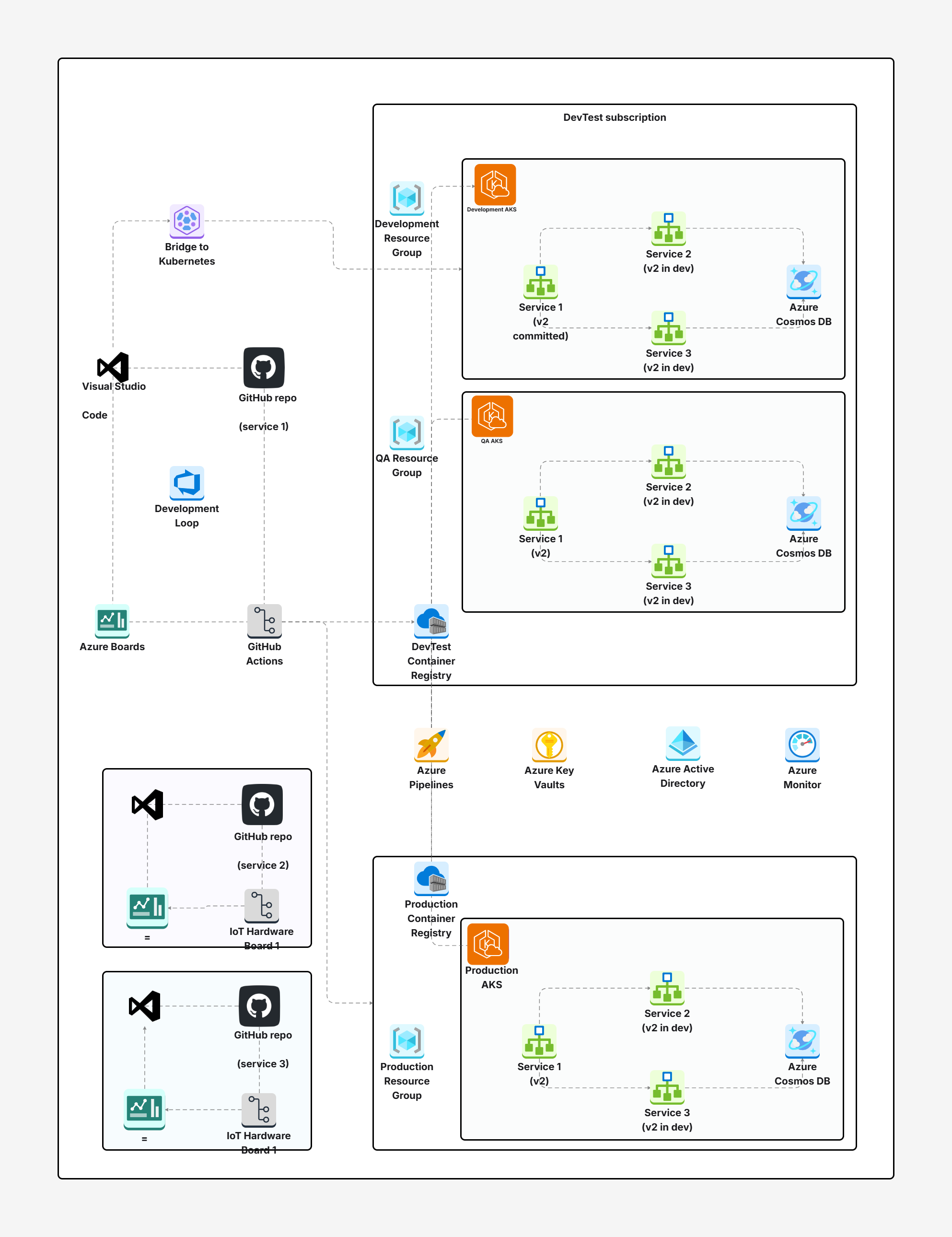
You can also use this Docker Architecture Diagram Template.
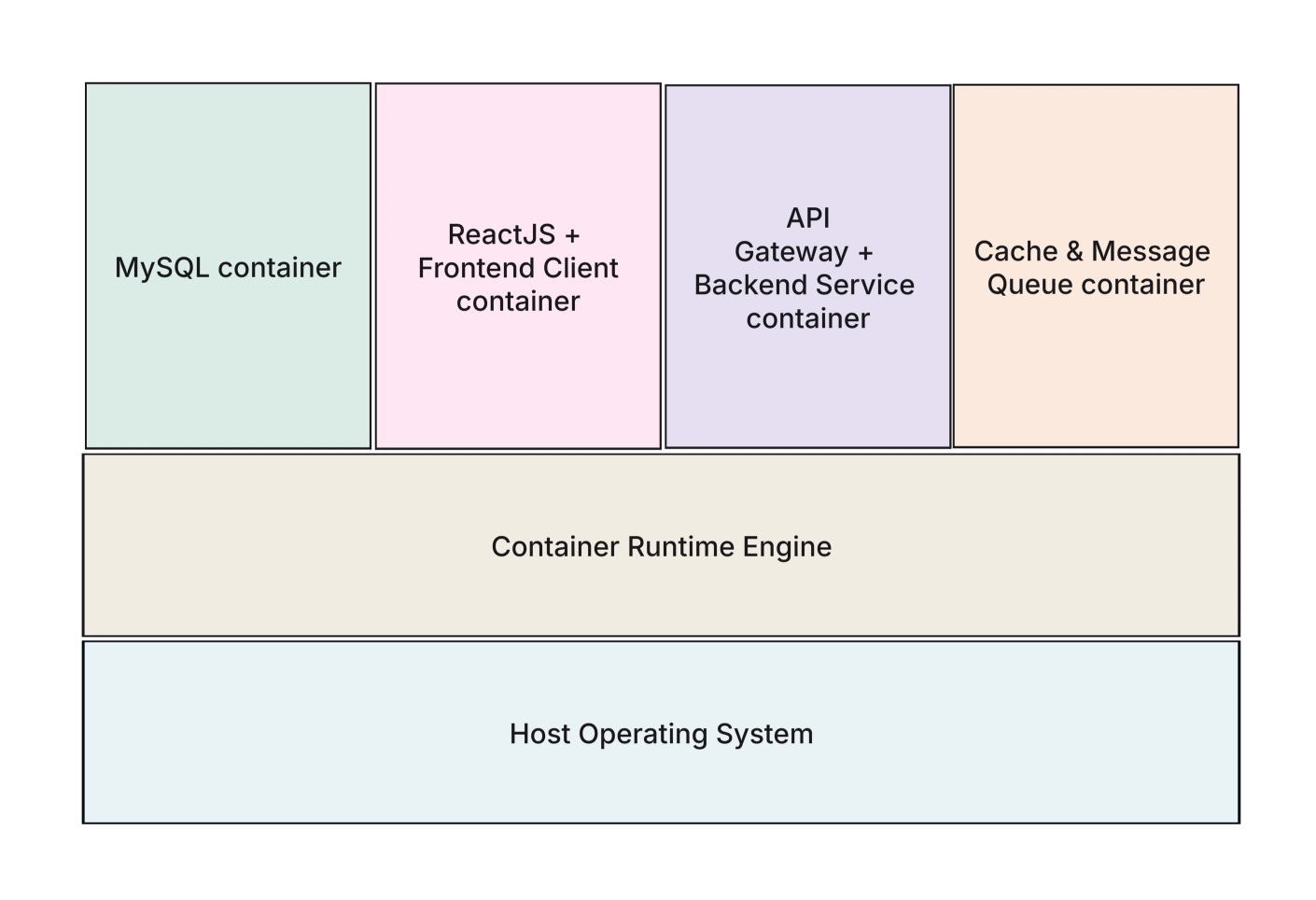
Docker Architecture Diagram Template

What Are Kubernetes in Cloud-Native Architecture?

Kubernetes goes beyond Docker by providing orchestration the powerful ability, from my personal perspective, to control thousands of containers across various servers. While Docker makes modern applications nicely portable, Kubernetes sincerely guarantees they stay reliable, resilient, and smoothly scalable, which is probably why skilled engineers everywhere casually describe it as the true backbone of cloud-native architecture.

  • Pods and nodes Kubernetes typically groups useful containers into organized pods, then carefully spreads them across trusted worker nodes. This efficient setup clearly provides better resource usage and very reliable fault tolerance in real production cases.
  • Control plane – Components such as the API server, etcd, scheduler, and controller manager together maintain cluster state. They automatically run scaling, healing, and scheduling, which developers truly appreciate for daily operations.
  • Networking and services – Kubernetes offers service discovery, load balancing, and ingress controllers so microservices can, in reality, communicate more reliably.
  • Scalability – Clusters scale up or down automatically with changing traffic, helping applications smoothly manage spikes without any service downtime.

You can also use this Kubernetes Architecture Diagram Template.

Kubernetes Architecture Diagram Template

Key Differences Between Docker and Kubernetes

While many discussions group them together, I’ve noticed firsthand that Docker and Kubernetes tackle completely different tasks, yet they perfectly complement one another.

  • Purpose – Docker is about making and running containers easily. Kubernetes, on the other hand, is about controlling and coordinating large groups of containers across servers.
  • Scope – Docker focuses on individual apps and allows them to run consistently anywhere. Kubernetes generally looks at the broader picture, making absolutely sure the system stays well organized and truly reliable under pressure.
  • Complexity – Docker is refreshingly simple at first glance, which makes it enjoyable for learners or tiny experimental projects. Kubernetes is harder to master but necessary when working with big enterprise systems.
  • Ecosystem – Docker can run alone but also works well with Kubernetes. Kubernetes itself doesn’t only depend on Docker and can use other runtimes like containerd too.

Use Cases of Kubernetes and Docker in Cloud-Native Design

Most modern architectures combine Docker and Kubernetes, but the emphasis depends on organizational needs.

  • DevOps pipelines – Docker simplifies continuous integration and delivery by packaging code consistently. Teams can test and deploy applications quickly, reducing release cycles.
  • Enterprise-scale workloads – I have noticed that Kubernetes truly excels when large businesses handle thousands of critical operational containers day-to-day. Many enterprises like ours still depend on it for mission-driven workloads that require excellent fault tolerance and worldwide availability.
  • Hybrid and multi-cloud strategies – In practical use, Kubernetes makes it remarkably simple for organizations to manage workloads across platforms like AWS, Azure, and GCP simultaneously.While Docker supports convenient portability, Kubernetes guarantees smooth orchestration.
  • AI/ML pipelines – Kubernetes supports GPU scheduling and distributed training, while Docker makes ML frameworks portable. Together, they accelerate data science workflows.

Templates:

  • Docker Architecture Diagram Template
  • Kubernetes Architecture Diagram Template
  • Cloud Computing Architecture Diagram Template

Conclusion

In my honest experience, Docker and Kubernetes should never be treated as stubborn rivals—they’re more like trusted partners for anyone working on resilient cloud-native architectures. Docker personally guarantees applications stay neatly packaged and effortlessly portable, while Kubernetes confidently steps in to orchestrate those very same containers at scale. For most teams I’ve seen, together they provide the true backbone of modern cloud environments. With Cloudairy’s Cloud Architecture Diagram Tool, you can visualize Docker and Kubernetes deployments and adapt them to your organization’s cloud strategy.

Ready to create smarter with AI?

Start using Cloudairy to design diagrams, documents, and workflows instantly. Harness AI to brainstorm, plan, and build—all in one platform.

Recommended for you
Using Flow Diagrams in Agile Teams
Technical Diagramming