hero-bg-pricing

Get your team started in minutes

Sign up with your work email for seamless collaboration.

Microservices vs Monolith Architecture: Key Differences image
Technical Diagramming

Microservices vs Monolith Architecture: Key Differences
Author
Cloudairy
By Cloudairy Team
January 10, 2026
5 min read

Microservices vs Monolith Architecture: Key Differences

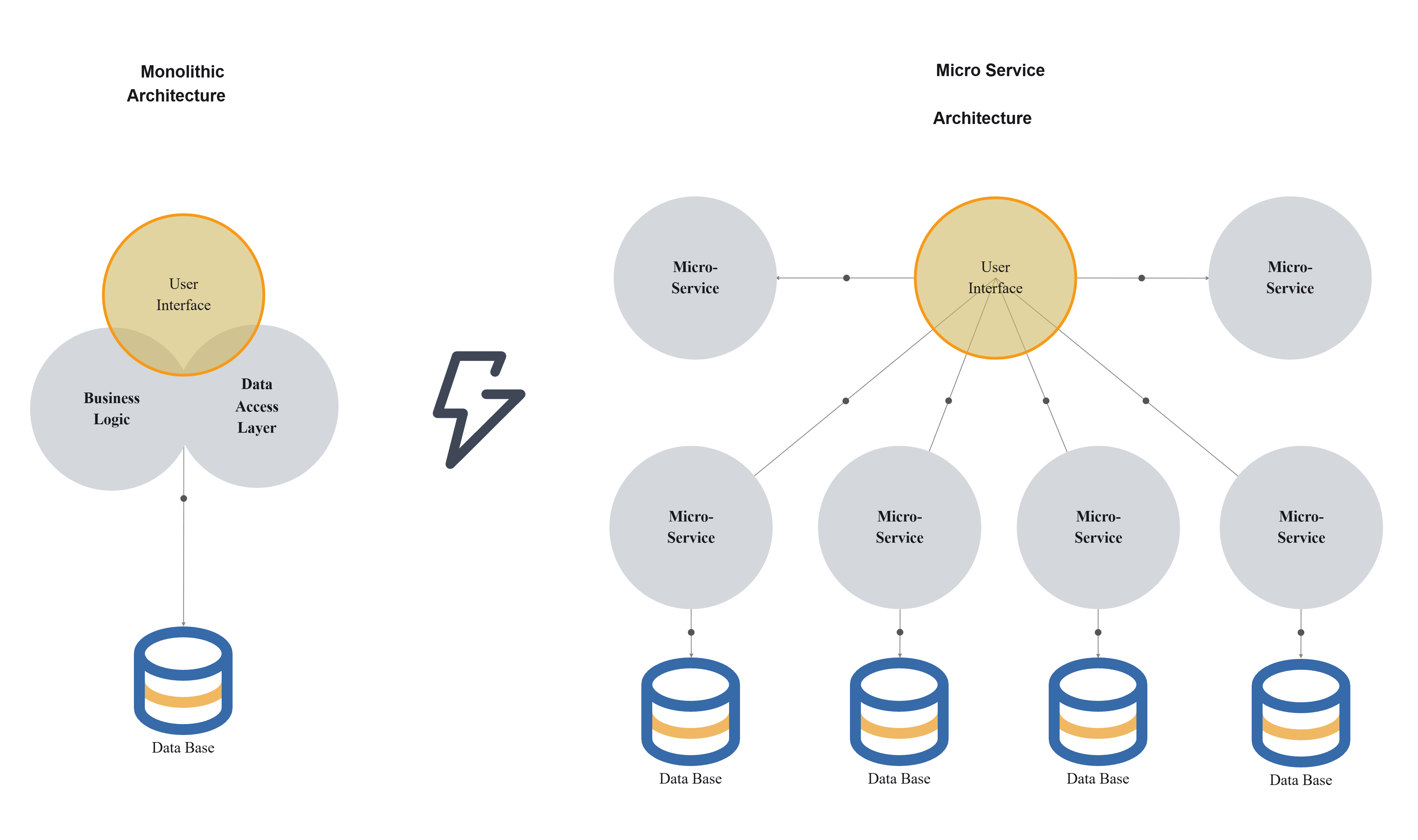
The understanding or knowledge of the differences or dissimilarities between monolithic and microservices architecture is very important in selecting the system design. On the one hand, the monolithic architecture groups all the disparate parts in a single entity, whereas the microservices architecture breaks down the overall system into separate services based on the different functionalities. The decision about the method to follow affects the factors such as scalability, deployment, fault tolerance, and development speed. The guide will describe the major differences along with a distinct illustration of microservices architecture diagram to ensure that the teams will build systems that meet their business needs.
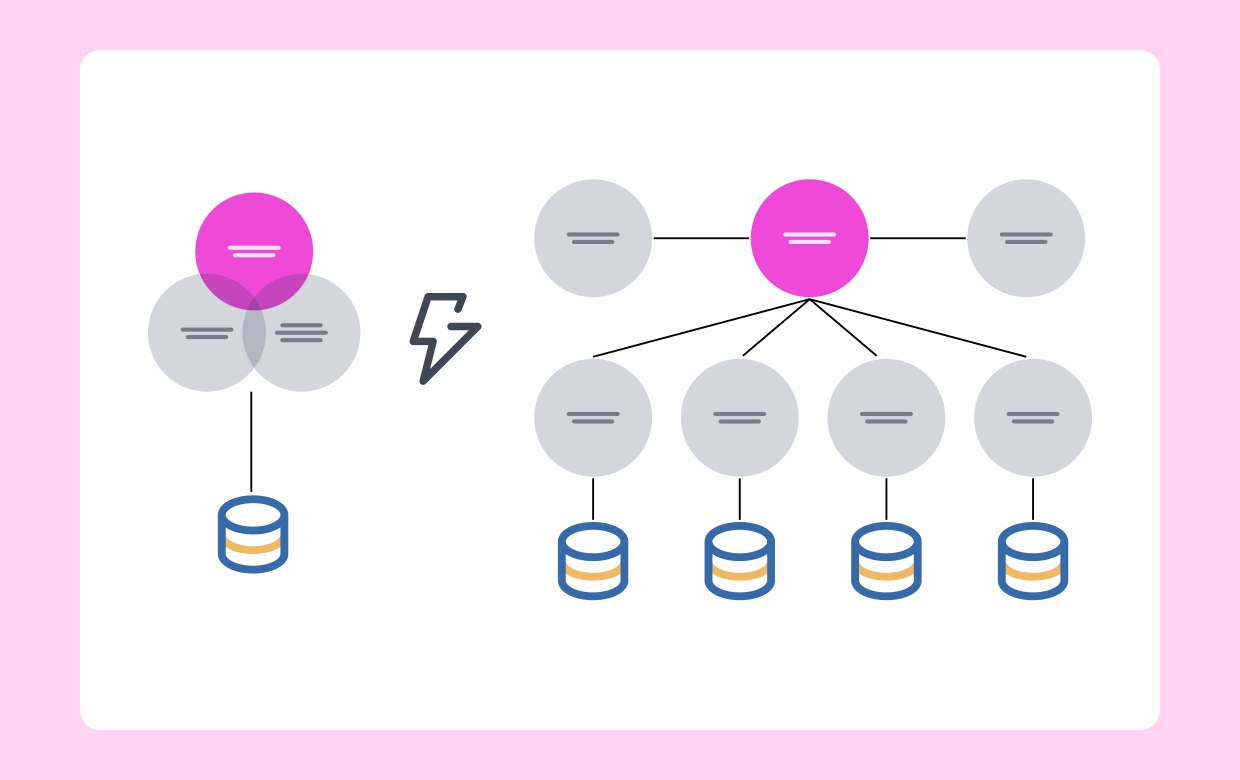
What Is Monolithic Architecture?

Monolithic architecture means that the software design requires of all parts that are very closely connected and the whole thing is deployed as a single application. first, it is simpler, and the development steps are faster, but as the detail increases, it starts to show limitations.

  • Simple to Build and Deploy:
    The full application is a single executable file, making deployment simple without costly system needs.
  • Easier Initial Development and Testing:
    Developers work with a single codebase allowing for direct changes and simplified testing processes.
  • Suitable for Smaller or Less Complex Applications:
    Perfect for startups or projects with limited scope and simpler growth requirements.

What Is Microservices Architecture?

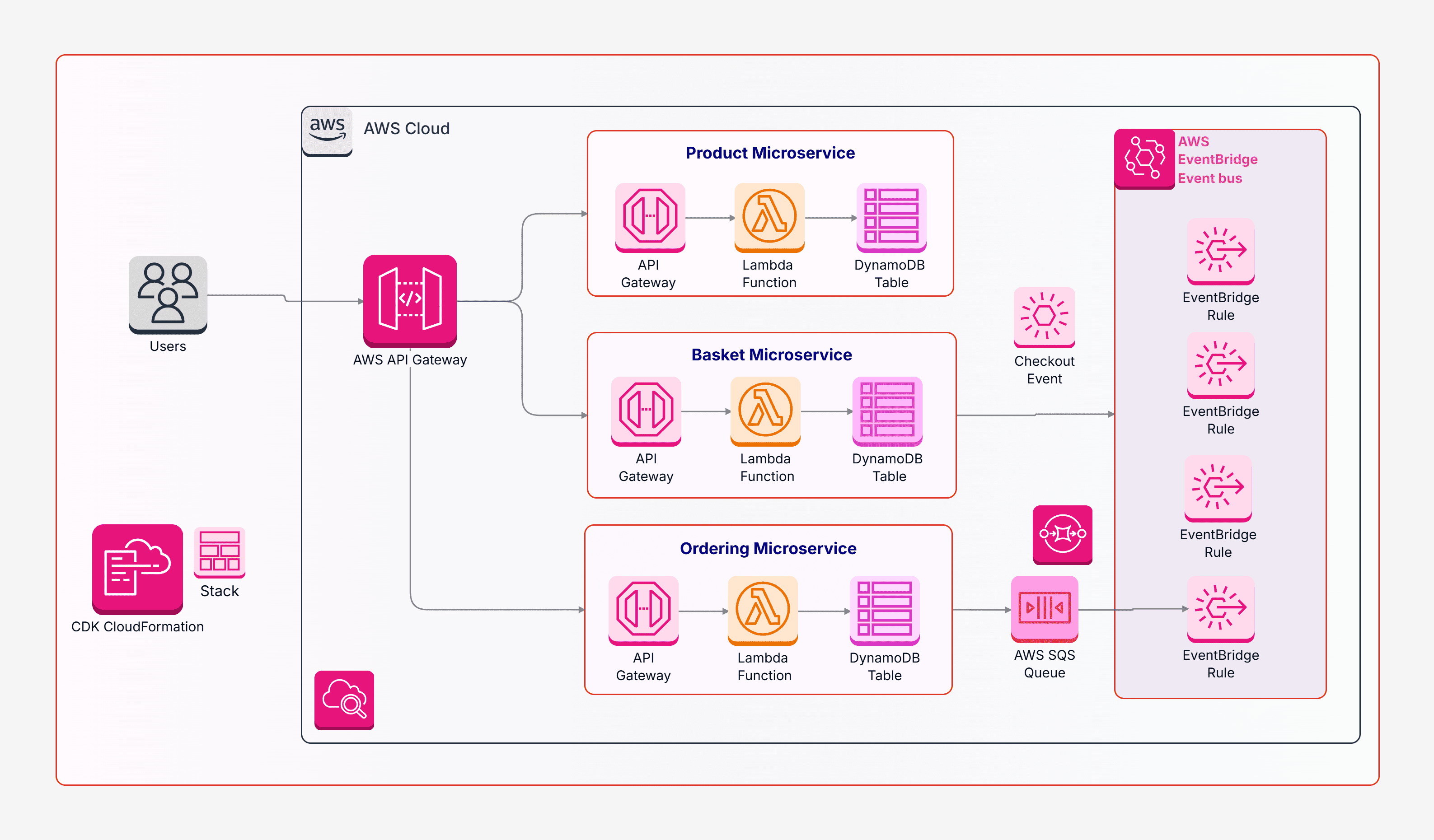
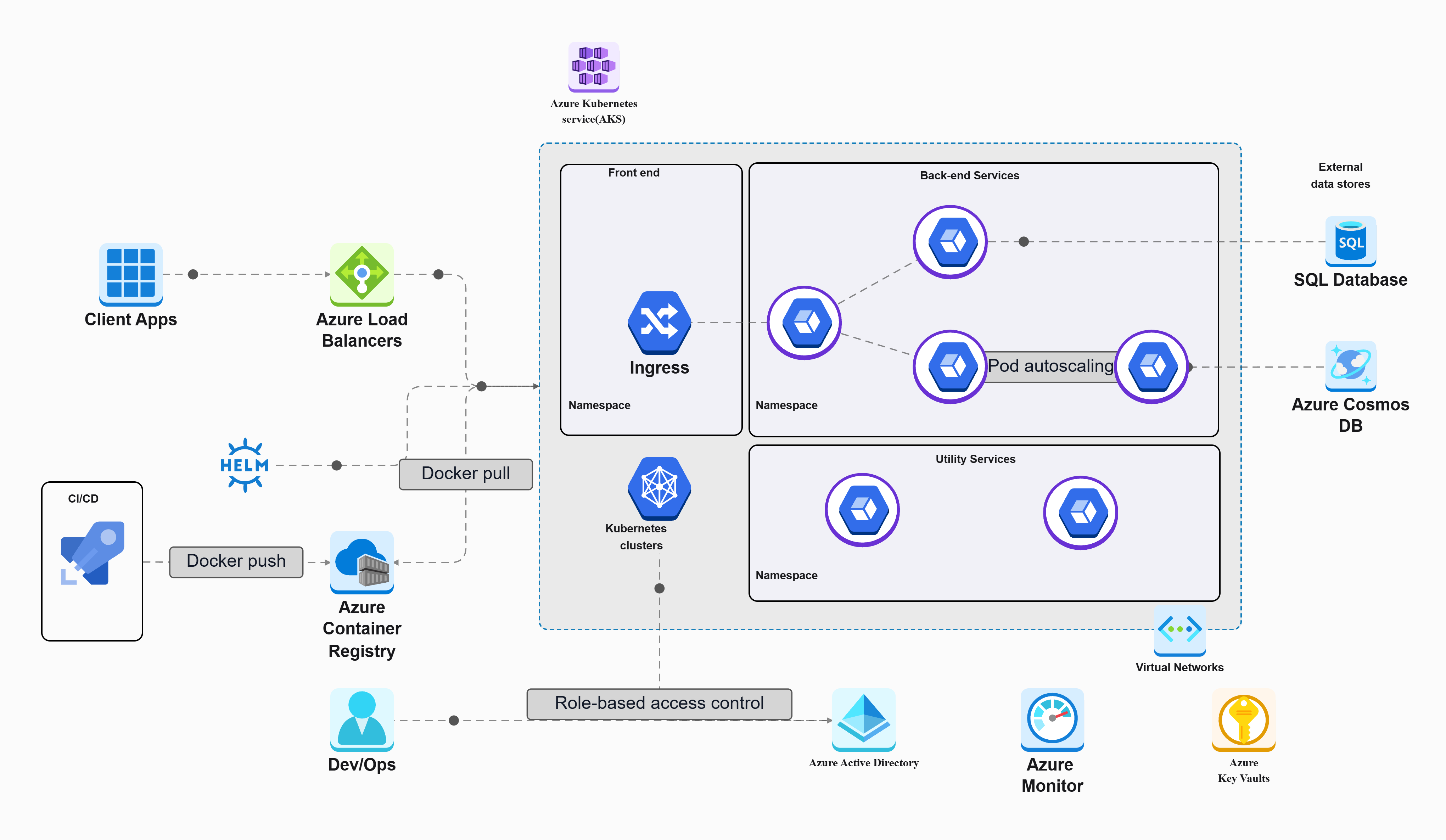
Microservices architecture converts an application into smaller and independently available services which talk to each other through APIs. Such a structure is a good fit for the current software demand of being agile and scalable.
  • Independent Business Functions:
    Each microservice focuses on one particular domain or functionality, enabling separate development and deployment.
  • Easier Horizontal Scaling:
    Services can be scaled individually based on demand, optimizing resource use and costs.
  • Faster Feature Deployment and Tech Diversity:
    Teams can update or replace services independently and use different technologies best suited for each service.

Microservices Architecture Diagram Template

Key Differences Between Microservices and Monolith Architectures

Analysis of important details show how each architecture addresses growth, maintenance, and deployment challenges.

  • Design:
    This design of Monolithic is composed of a single-tier with a unified design, while the microservices collect functionalities among modular and more coherent services.
  • Development:
    Initially, monolith development is easy to manage, however, later on, it turns out to be complex and slow. On the other hand, microservices enable separate development but demand more integration.
  • Deployment:
    Monolithic applications get deployed as one single unit; on the other hand, microservices are deployed independently, thereby making it possible to get updates that are continuous and separate.
  • Maintenance:
    Early-stage monoliths are easier to maintain. In contrast, microservices need to manage multiple services and manage inter-service communication.
  • Scalability:
    Microservices provide a range of options for scaling, at a lower cost than monoliths, whereby scaling the latter often involves increasing the size of the whole application even though some parts may not need it.
  • Fault Tolerance:
    Big, single-sized things may fail all at once. While microservices fail one or a few at a time, they keep normal service up and running.

Advantages and Challenges of Each Architecture Type

Comparing pros and cons helps decide which architecture fits your project’s size and goals.

  • Monolithic Advantages:
    Cost-effective setup, simple infrastructure, and simple start development.
  • Monolithic Challenges:
    Growth difficulties and high dependency, which can limit flexibility and innovation.
  • Microservices Advantages:
    Better fault tolerance, independent evolution of services, and technological flexibility.
  • Microservices Challenges:
    Increased complexity, necessity for robust DevOps, and more complex testing.

When to Choose Monolith vs Microservices

Choosing the right architecture depends on project requirements and team capabilities.

  • Use Monolith:
    For simple tasks with fixed requirements and limited need for scaling.
  • Choose Microservices:
    For complex or fast-growing applications needing scalability, continuous deployment, and independent team workflows.

Migrating from Monolith to Microservices: Practical Tips

Transitioning requires strategy, stepwise organization, and new management processes.

  • Modularize Monolithic Components:
    Identify tightly coupled parts to break into independent services gradually.
  • Incremental Migration:
    Migrate one service at a time while keeping the system stable.
  • Invest in DevOps & Monitoring:
    Use effective CI/CD pipelines and centralized monitoring to manage distributed services efficiently.

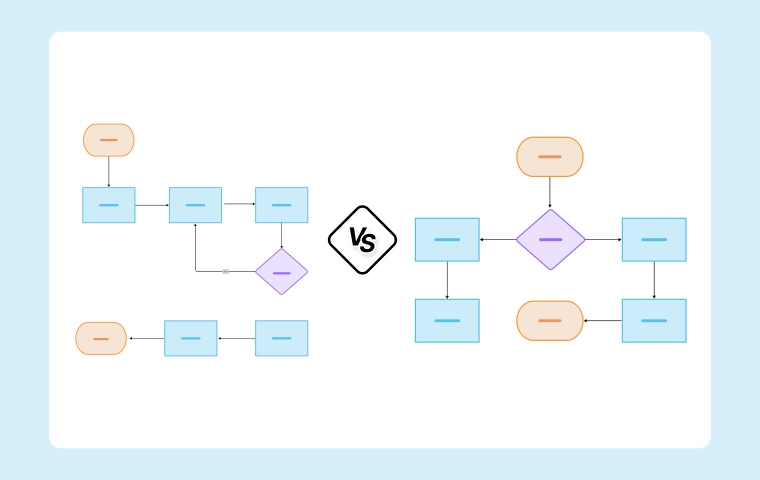
Tools and Templates for Visualizing Architecture Differences

Visual tools make planning and communication easier.

Conclusion: Choosing the Right Architecture for Your Future

Choosing between monolith and microservices architectures is primarily a matter of balancing simplicity with growth and operation difficulties. The very first step to a successful design and slow change to your company objectives is proper planning with the use of diagrams and tools. Creating with microservices architecture diagrams and utilizing our materials and templates can make your process faster and easier.

Frequently Asked Questions

1. What is the main difference between monolithic and microservices architectures?

Monoliths are single unified applications, while microservices split functionality into independently deployable services.

2. When should I choose microservices over monolith?

Choose microservices for complex, scalable apps needing faster, independent development and deployment.

3. Are microservices harder to manage than monoliths?

Microservices add complexity in management, requiring advanced DevOps, monitoring, and orchestration tools.

4. Can I migrate from a monolith to microservices?

Yes, but it requires careful modularization, incremental migration, and strong operational support.

5. How can architecture diagrams help in understanding these architectures?

Diagrams like microservices architecture diagram visually display component relationships and improve communication and planning.

Ready to create smarter with AI?

Start using Cloudairy to design diagrams, documents, and workflows instantly. Harness AI to brainstorm, plan, and build—all in one platform.

Recommended for you
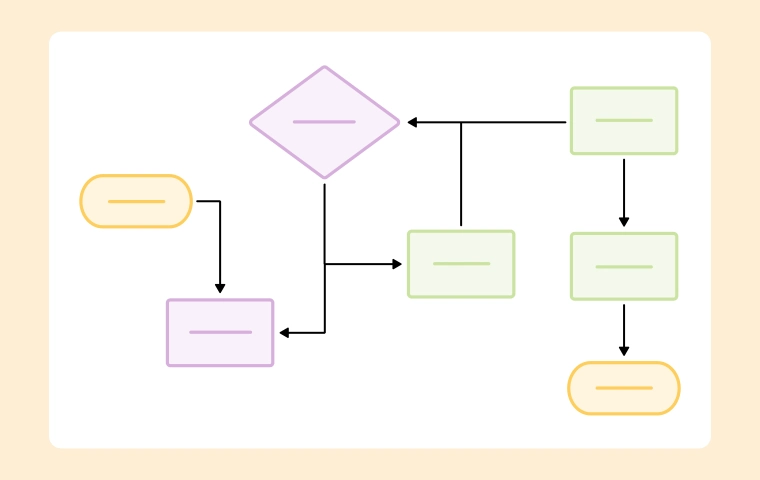
Using Flow Diagrams in Agile Teams
Technical Diagramming