hero-bg-pricing

Get your team started in minutes

Sign up with your work email for seamless collaboration.

Advanced Monitoring in Modern Cloud Architectures Image
Technical Diagramming

Advanced Monitoring in Modern Cloud Architectures
Author
Cloudairy
By Cloudairy Team
January 10, 2026
5 min read

Introduction: Why Monitoring Is Critical in Cloud Systems

Modern businesses like ours often realize that a single cloud application can rely on a wide mix of microservices, various databases, and several trusted third-party APIs. Without careful and ongoing monitoring, maintaining steady performance and reliable availability quickly becomes a difficult challenge.Integrating monitoring directly into cloud architecture and cloud application architectures allows teams to oversee, manage, and improve systems well before issues arise. More than a routine responsibility, monitoring is vital for meeting compliance needs, sustaining user confidence, and protecting overall business continuity.

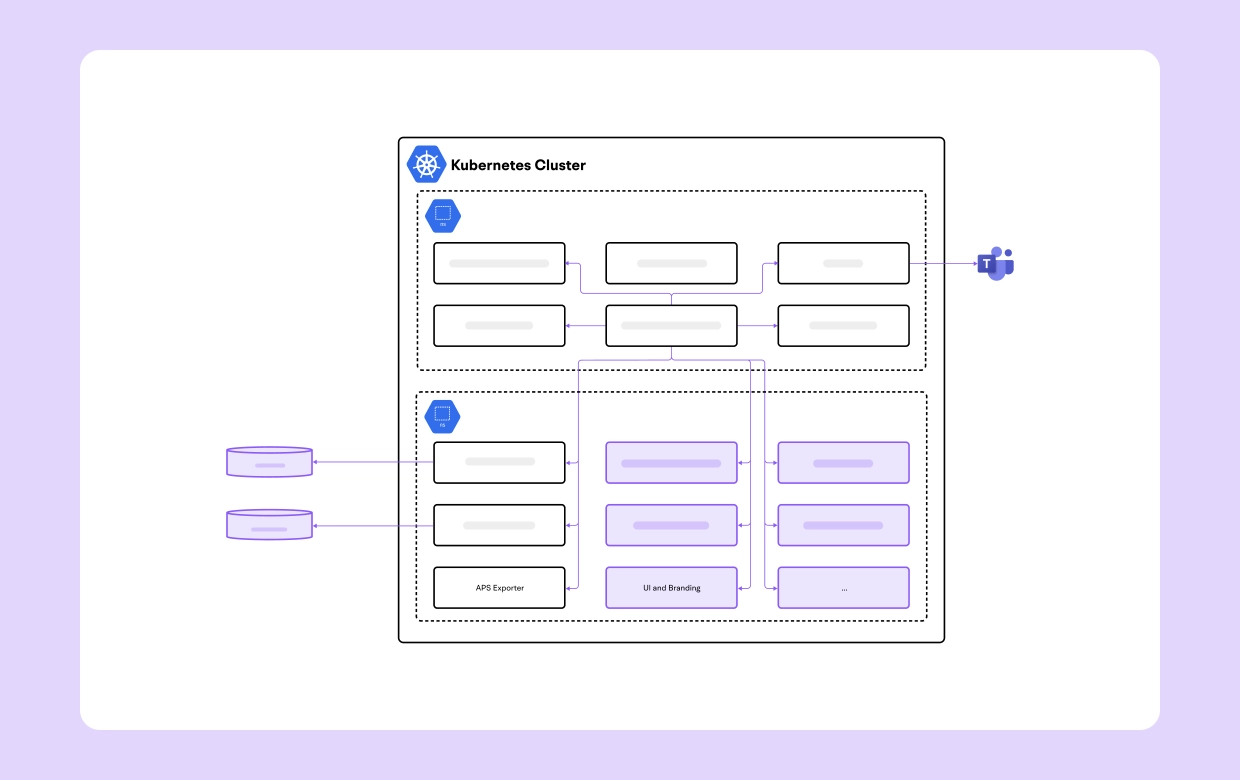
What to monitor in cloud storage architecture

Storage is the foundation of every cloud workload. Failures or performance issues in storage can cascade into application outages. Advanced monitoring consistently provides clear visibility into storage health and overall efficiency.

  • Performance metrics – Regularly monitoring IOPS, latency, and throughput genuinely highlights obvious performance bottlenecks. From my practical view, these insights ensure that cloud storage architecture supports demanding workloads like analytics or e-commerce in a more reliable way.
  • Capacity utilization – Tracking detailed usage trends reliably prevents unexpected storage overflows and ensures proper resource allocation. This smart process reduces costs by identifying underutilized available resources.
  • Data protection – Monitoring encryption, replication, and backup processes carefully guarantees that sensitive data remains secure and quickly recoverable during system failures or breaches.

What to Monitor in Cloud Application Architecture

Applications often involve multiple dependencies that must be tracked in real time. Advanced monitoring ensures end-to-end visibility.
  • Response times – I often measure latency at separate tiers (front-end, APIs, and databases) to catch bottlenecks and delays. This guarantees customers and users always get a seamless experience.
  • Service dependencies – Since many failures arise from third-party APIs or microservices, I make sure to monitor these actively. That way, problems are isolated quickly before extending across the broader system.
  • Security anomalies – By continuously monitoring IAM roles, login attempts, and unusual API calls, I can notice breaches early. This practice is absolutely critical for industries facing strict compliance rules.

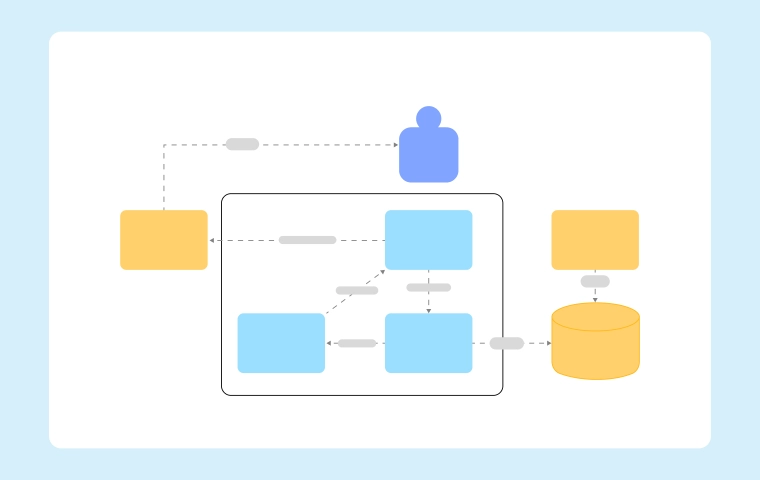
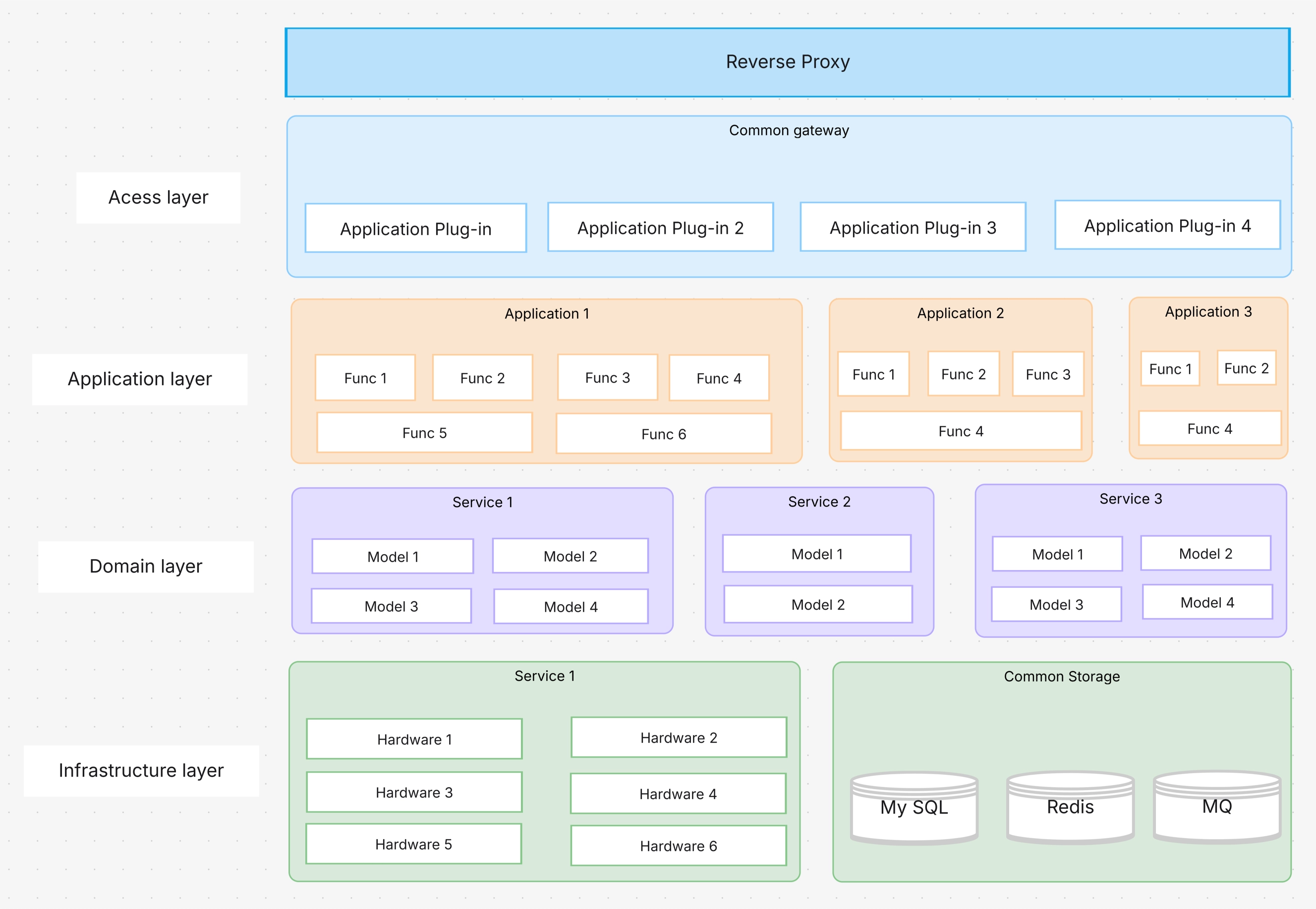
Cloud System Architecture Template

Tools and Strategies for Advanced Monitoring

From my own viewpoint, the choice of monitoring tools really influences whether our teams detect issues early or unfortunately miss them. Advanced monitoring usually blends provider-native tools, dependable third-party APMs, and meaningful AI-powered insights.

  • Native monitoring tools – AWS CloudWatch, Azure Monitor, and GCP Operations Suite work very smoothly with their respective cloud systems, making them extremely effective for infrastructure metrics.
  • Application monitoring (APM): I’ve honestly seen that platforms such as Datadog, New Relic, and Dynatrace contribute great insights into both user experience and system performance, which benefits our projects significantly. They reveal tricky issues that often stay hidden at the infrastructure layer.
  • AI and automation : I genuinely appreciate how machine learning strengthens monitoring by detecting rare patterns automatically and forecasting failures ahead of time. This step significantly cuts down the risk of costly downtime.
  • Unified dashboards : For practical use, centralized observability platforms collect metrics, logs, and traces into one clear single pane of glass. This not only eases incident response tasks but also supports stronger data-driven decision-making efforts, instead of being treated as an afterthought.

Challenges in Cloud Monitoring

While monitoring absolutely helps, it also brings along certain challenges that every forward-looking business needs to manage.

  • Alert fatigue – Without the right configuration, monitoring tools can easily bombard teams with constant alerts, making it genuinely tough to notice the truly critical issues.
  • Integration complexity – In hybrid and multi-cloud systems, integrating several monitoring tools is necessary but often ends up creating unexpected silos for the operations team.
  • Cost overhead – Monitoring generates massive amounts of logs and metrics. Without optimization, this can increase costs significantly.
  • Skill requirements – Teams must understand monitoring tools deeply to configure them correctly. Misconfiguration can lead to blind spots in visibility.

Templates and Visuals to Get Started

Conclusion

Monitoring cloud systems is the nervous system of modern cloud application architectures.It carefully connects storage, applications, and essential services, allowing organizations like ours to stay proactive instead of reactive. By embedding smart observability directly into both modern cloud storage architecture and flexible cloud application architectures, businesses can improve overall reliability, reduce downtime issues, and easily meet compliance standards. Cloudairy’s practical Cloud Architecture Diagram Tool enables teams to design monitoring-ready systems, ensuring observability remains a built-in feature and never just an afterthought.
Ready to create smarter with AI?

Start using Cloudairy to design diagrams, documents, and workflows instantly. Harness AI to brainstorm, plan, and build—all in one platform.

Recommended for you
Using Flow Diagrams in Agile Teams
Technical Diagramming