AWS
A Complete Guide to Architecting Your AWS Disaster Recovery Strategy


Get your team started in minutes
Sign up with your work email for seamless collaboration.
Business continuity today has become a major issue for every organization, regardless of size. Disasters can be caused by several things, including cyber threats, natural disasters, and unexpected system failures. These may result in devastating data loss, system downtime, and colossal financial and reputational impact. It has become a crucial aspect of modern enterprises to ensure business resilience and the ability to recover quickly in the event of such an occurrence.
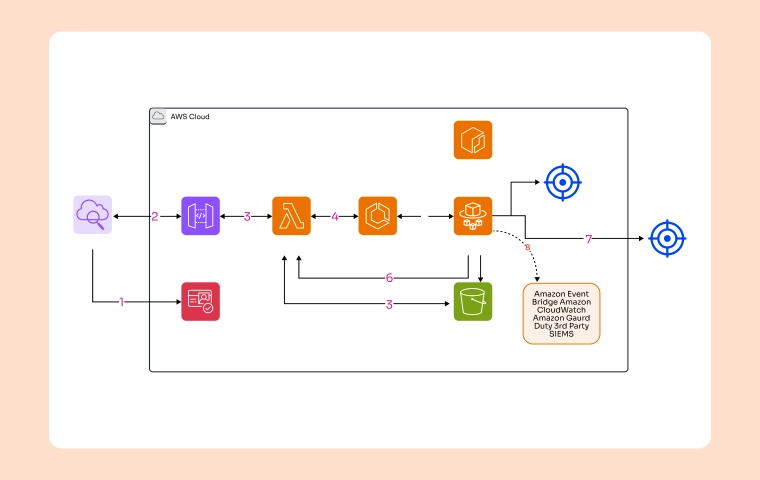
To address the growing need for business continuity, Amazon Web Services (AWS) has developed a comprehensive Disaster Recovery (DR) toolkit. This suite of services and tools is designed to protect, restore, and maintain critical business operations in the event of a disruption. By leveraging the power and resilience of the AWS cloud, organizations can implement robust disaster recovery strategies that ensure the availability and integrity of their data and applications.
Data Protection Importance
At the heart of any effective disaster recovery strategy lies the protection and replication of data. AWS recognizes the critical importance of data protection, as the loss or corruption of mission-critical information can have devastating consequences for an organization. Data replication is the foundation upon which AWS's DR strategy is built, ensuring that your data is securely duplicated and available across multiple geographic locations.
AWS Data Replication Techniques
AWS employs a range of data replication techniques to safeguard your data. These include:
Key AWS Services
AWS offers a suite of services that enable robust data replication and backup, including:
By leveraging these AWS services, organizations can ensure that their data is securely replicated and readily available in the event of a disaster, forming the foundation of a comprehensive disaster recovery strategy.
Role of Traffic Routing
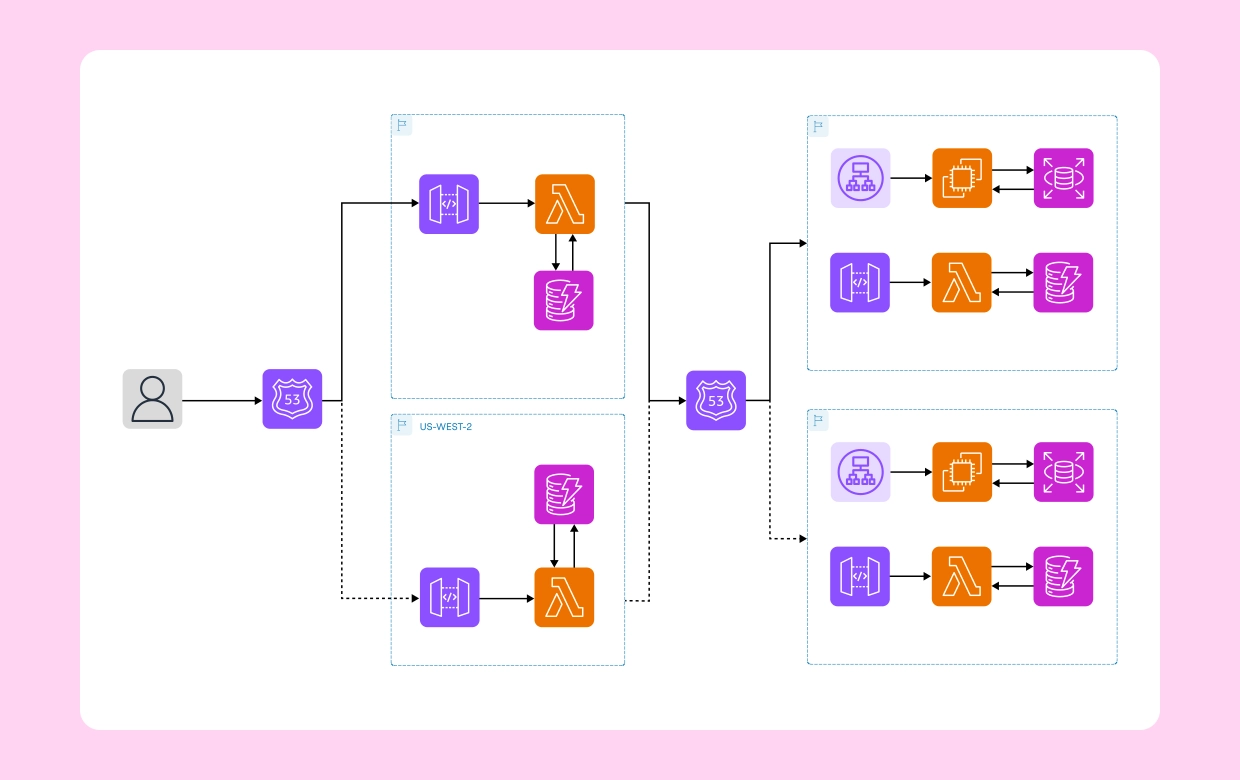
Effective traffic routing is a crucial component of disaster recovery, as it ensures that user traffic is seamlessly redirected to alternate locations in the event of a site failure. By intelligently managing user traffic, organizations can maintain uninterrupted access to their services, even during disruptive events.
Amazon Route 53
Amazon Route 53, AWS's highly available and scalable Domain Name System (DNS) service, plays a central role in disaster recovery. Route 53 intelligently routes user traffic to the most appropriate endpoint based on factors such as health checks, geographic location, and latency. This ensures that users are consistently directed to the best available site, minimizing disruptions and maintaining a seamless user experience.
Automated Traffic Management
The automated traffic management capabilities of Route 53 are particularly valuable in disaster recovery scenarios. When a primary site becomes unavailable, Route 53 automatically adjusts to point users to the secondary site, ensuring that services remain accessible and operational.
Setting Clear Recovery Objectives
Effective disaster recovery planning requires the establishment of clear strategic planning, such as Recovery Time Objectives (RTO) and Recovery Point Objectives (RPO). These metrics define the maximum acceptable downtime and data loss, respectively, and serve as the foundation for designing a comprehensive DR strategy.
Robust Network Components Importance
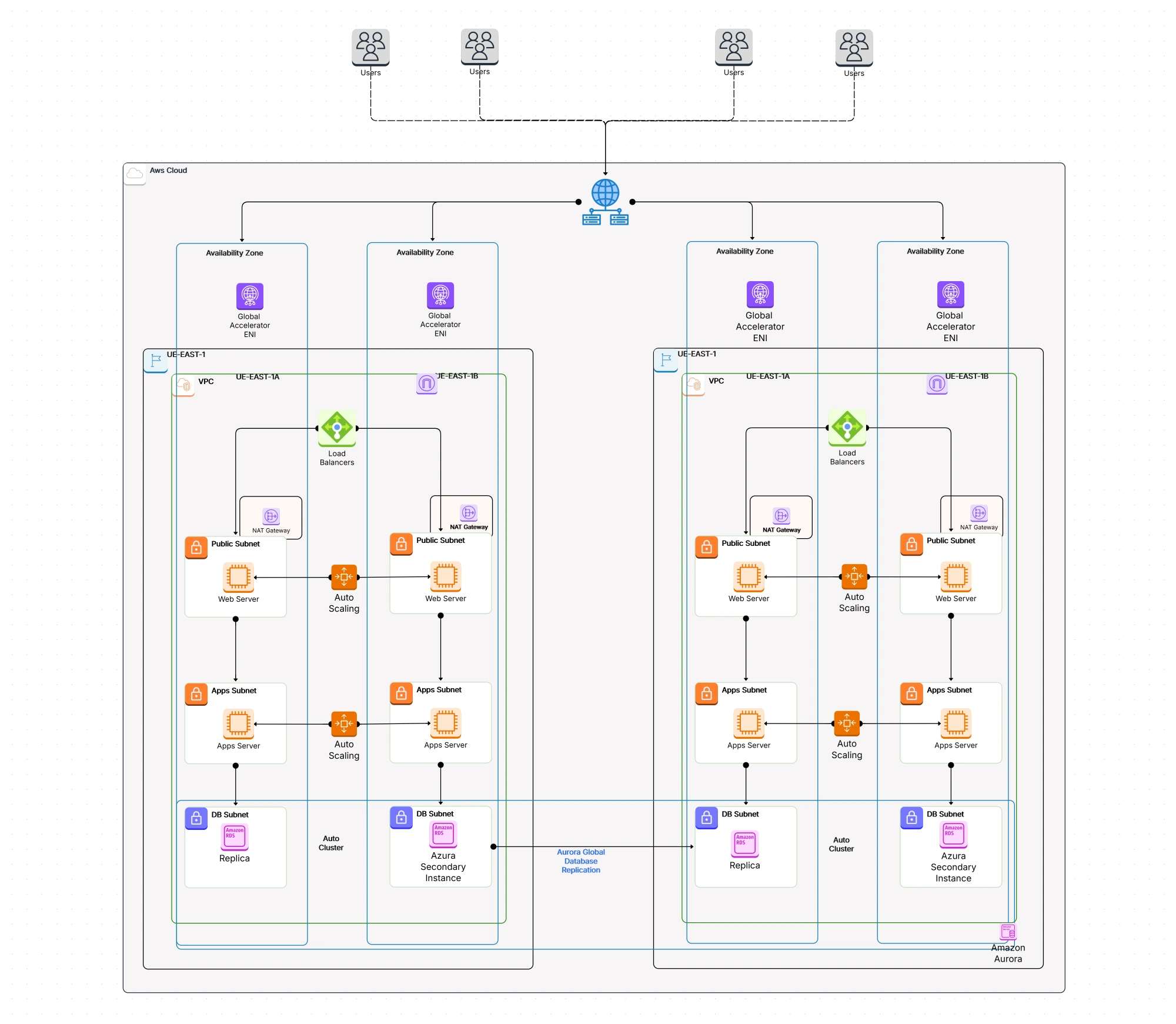
Reliable and secure network connectivity is a fundamental requirement for effective disaster recovery. The network components diagrams that form the backbone of the AWS cloud infrastructure play a crucial role in facilitating seamless data synchronization, storage management, and application access during disruptive events.
Key Network Components
AWS's comprehensive network architecture for disaster recovery includes the following key components:
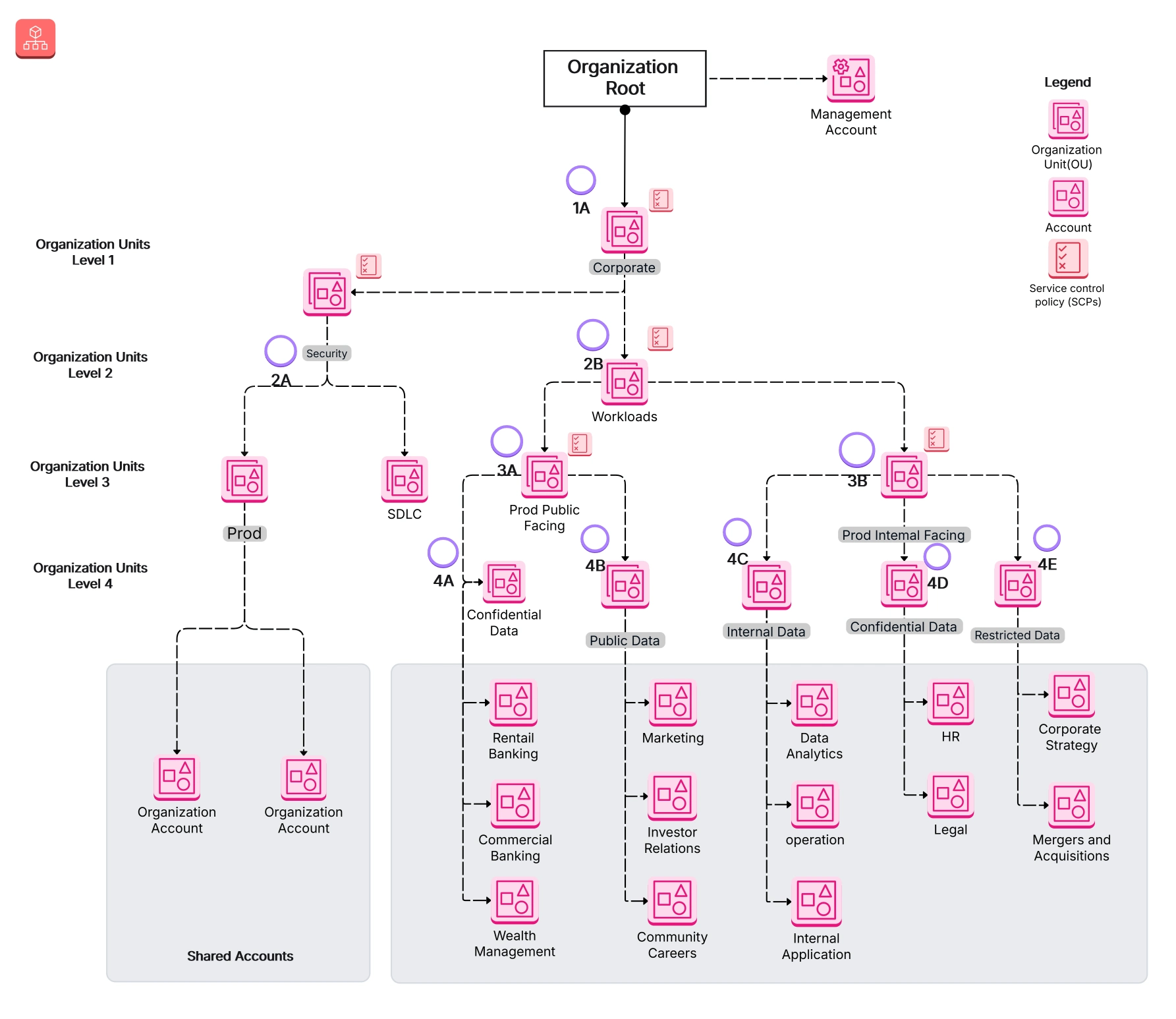
Cloudairy Cloudchart empowers you to architect robust AWS disaster recovery plans. Pre-built templates, collaborative features, and clear visuals ensure everyone's on the same page. Explore and customize our templates to perfectly suit your specific disaster recovery needs.
Recap of Key Points
In this guide, we have explored the comprehensive disaster recovery solutions offered by AWS, highlighting the mult faceted approach that ensures business continuity in the face of disruptions. We have delved into the importance of data replication, the rapid deployment of compute resources, intelligent traffic routing, dynamic capacity management, efficient load balancing, and the design of a AWS robust network diagram.
Path to Business Success
By implementing a well-designed disaster recovery plan through the Cloudairy BPMN process diagram, organizations can turn potential disasters into mere hiccups on their path to success. A BPMN-based approach enables teams to visualize recovery steps, protect valuable data, and ensure uninterrupted service delivery. Businesses can focus on growth, innovation, and delivering exceptional value to their customers, even in the face of unexpected disruptions.
Start using Cloudairy to design diagrams, documents, and workflows instantly. Harness AI to brainstorm, plan, and build—all in one platform.
Table of Contents

Introduction
 Manage all your work in one placeCollaborate with your teamUse Cloudairy for FREE—forever


 Related Articles